
Faith Coloccia & Daniel Menche
An interview with Faith Coloccia on the new album ‘Smelter’ with Daniel Menche.
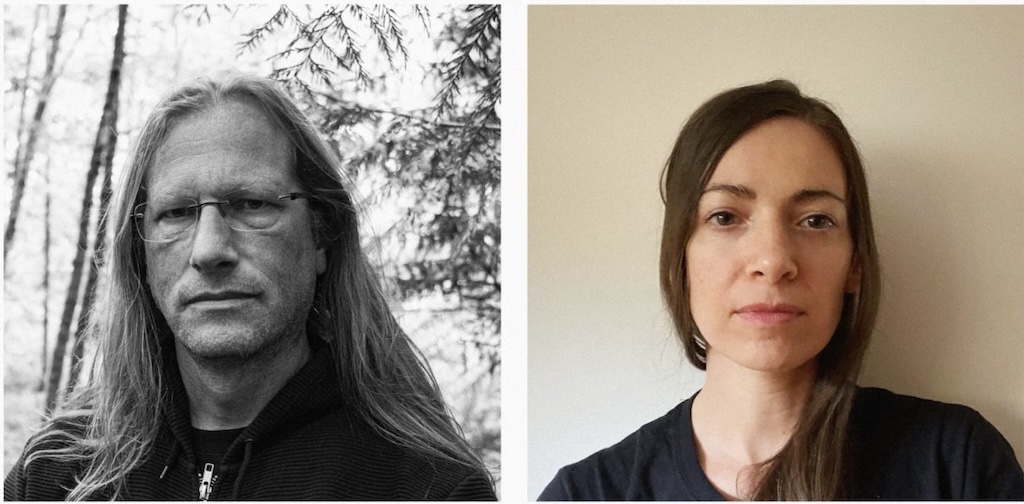
Los ambientes evocadores de paisajes sonoros naturales son ciertamente penetrantes e hipnóticos, en tanto su carácter expansivo moviliza y transporta a lugares sin fronteras y horizontes sin límites donde vuela nuestra imaginación. Ello se encuentra en “Smelter” (Room40, octubre 2025), el más reciente álbum de Faith Coloccia y Daniel Menche, dos destacados artistas que empujan los límites de la vanguardia.
Faith Coloccia es una diseñadora gráfica, fotógrafa, cantante y compositora norteamericana más conocida como miembro fundadora de Mammifer junto a Aaron Turner y cofundadora del sello SIGE Records.
Daniel Menche es un músico experimental y fotógrafo, asentado en Portland, con más de 30 años de carrera musical que cubre una extensa discografía en la que se combinan el ruido, métodos de improvisación, drones, música electrónica y piezas concretas.
Queremos agradecer a Ed Benndorf de la compañía de promoción musical Dense, con sede en Berlín, por gestionar esta entrevista y también por cierto a Faith Coloccia por compartirnos sus pensamientos.
El álbum «Smelter» está dedicado a un elemento vital y escaso como es el agua. ¿Qué te motivó a convertir el agua, a través de grabaciones de campo, en el tema central de este nuevo álbum?
“Cuando Daniel y yo empezamos a trabajar juntos, fue al final del confinamiento por la pandemia, en otoño. El invierno anterior había sido excepcionalmente duro en el noroeste del Pacífico, donde vivimos. Durante el confinamiento, salía al aire libre con mi hijo, que entonces tenía 5 años, y grababa. Pasamos por tormentas de hielo y nieve, granizo, lluvia y truenos. Dábamos largos paseos alrededor de nuestra casa, que está rodeada por dos barrancos escarpados con arroyos y estanques. Caminábamos por nuestro camino de tierra helado, con las ruedas del carrito de mi hijo crujiendo sobre las flores de hielo que sobresalían de la grava. Por final de la calle de nuestra casa, viajábamos hasta la costa y grabábamos el rompeolas. Grabé las clases de natación que se impartían bajo un recinto para proteger de la nieve, unas vacaciones familiares en un pueblo natal en el desierto y una noria que aún se utiliza”.
«Cuando empecé a revisar estas grabaciones, necesitaba un elemento unificador para ver si una grabación de campo podía pasar el corte; una autoedición limitada. También tenía muchas grabaciones de Daniel que abarcaban una década.
Cuando las clasifiqué y les di un enfoque a este tema, encontré grabaciones que (Daniel) me envió de un viaje en el ferry de Vashon con olas fuertes, un hidrófono y grabaciones más recientes de él arrastrando micrófonos de contacto por la arena húmeda de la playa en la costa de Oregón».
«Es muy bueno cuando puedes ver un disco terminado como una especie de historia mágica o ceremonia, como una larga dedicatoria al agua que necesitamos para existir, que tiene tantas formas, texturas y sonidos y tiene una presencia omnipresente en el lugar donde vivimos».
Creo que “Smelter” tiene un tono solemne y nostálgico, por ejemplo, en canciones como “Codec” y “Main Field”. ¿Qué te evoca «Smelter»?
«‘Smelter’ es como una cápsula del tiempo. En primavera y verano trabajo en una granja y en invierno tengo tiempo para componer música. Me encanta revisar las grabaciones de todo el año cuando hace frío, en este caso alrededor de 2022, editándolas y reorganizándolas. En algún momento de mi proceso inicial, mi pareja escuchó lo que estaba haciendo y me dijo que estaba teniendo una intensa experiencia interior como reacción tanto al confinamiento por la pandemia como a la maternidad. Quizás él tenía una visión más objetiva de lo que yo estaba haciendo en ese momento. Yo me concentraba en los ‘hechos’ de los sonidos grabados y en extraer información de las señales, pero lo que él escuchaba era ‘desolación y una profunda introspección’».
¿Podrías contarnos cuál es la narrativa de este nuevo álbum?
“La narrativa se basaría en el azar con una intención focalizada y la amistad. Esto y el sonido estarían contenidos en las palabras añadidas en un orden determinado. Las palabras se basarían en las grabaciones de campo o las notas tomadas durante la realización de cada composición. Las composiciones se estructuran por las restricciones de tiempo y las limitaciones de los instrumentos y las tecnologías. Limitaciones creadas por las circunstancias de la vida, nuestros pasados individuales y nuestras habilidades de comunicación».
Creo que vuestra música es expansiva, en ella se pueden encontrar límites difusos. ¿Qué contiene este espacio expansivo?
«Sí, me encanta trabajar con Daniel por esta razón: abordamos el sonido y la composición de formas muy opuestas, tanto a nivel sonoro y técnico como, a veces, conceptual. La combinación y la difuminación funcionan bien porque estamos unidos por una visión similar de la libertad del sonido, de la forma en que se ama y se observa la vida en la grabación. Ambos crecimos teniendo que ir a la iglesia e independientemente de cuáles sean ahora nuestras creencias espirituales, El hecho de crecer rodeados de cantos comunitarios y el sonido omnipresente del órgano de la iglesia nos marcó y tal vez contenía en sí mismo algún tipo de vestigio ancestral. Espero que el espacio expansivo contenga algo que sea una alternativa, a vivir en un estado aburrido o sin sentido/deprimido. Me encantaría pensar que estamos de acuerdo en que la música que hacemos intenta crear un espacio que remezca, vibre y deje vivir, que reimagine un mundo libre de las limitaciones impuestas por unos multimillonarios sin corazón, para recordar que la vida es con los(as) amigos(as) de verdad y la amistad en el momento presente y en persona».
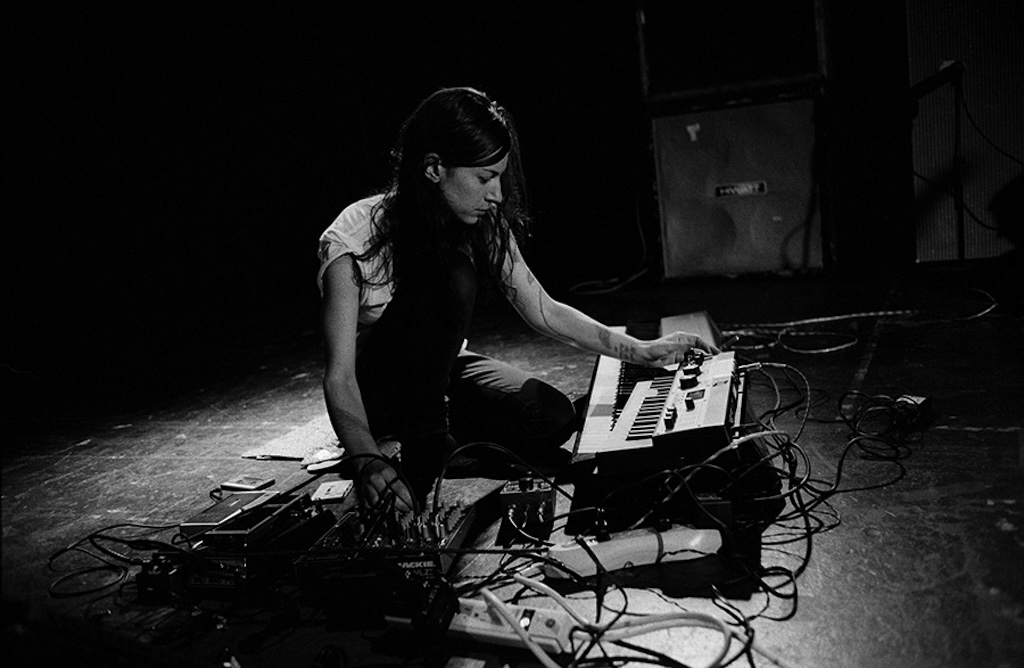
The evocative environments of natural soundscapes are certainly penetrating and hypnotic, as their expansive nature mobilizes and transports us to places without borders and horizons without limits, where our imagination can fly. This can be found on ‘Smelter’ (Room40, October 2025), the latest album by Faith Coloccia and Daniel Menche, two prominent artists who push the boundaries of the avant-garde.
Faith Coloccia is an American graphic designer, photographer, singer and songwriter best known as a founding member of Mammifer alongside Aaron Turner and co-founder of the SIGE Records label.
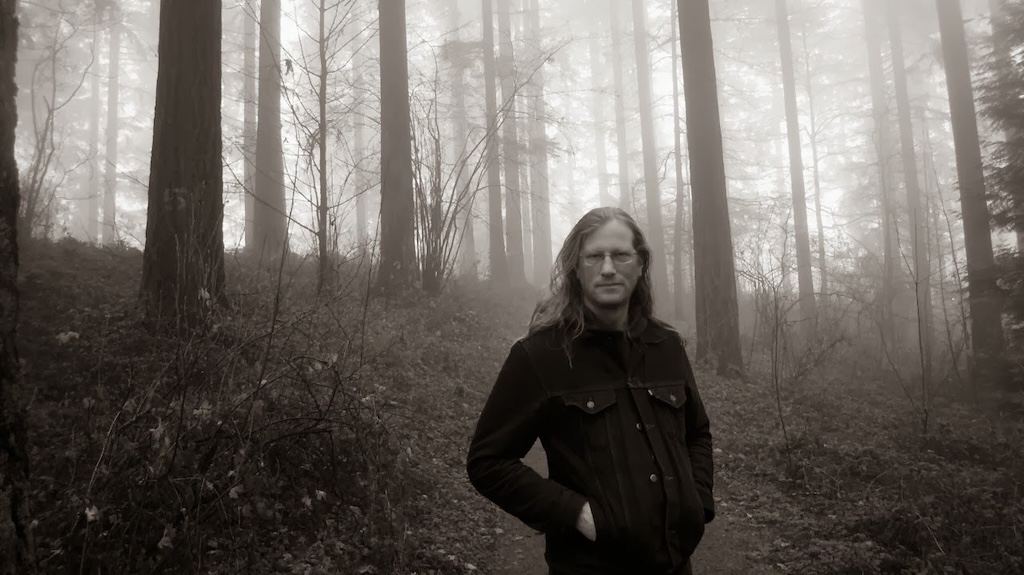
Daniel Menche is an experimental musician and photographer based in Portland, with a musical career spanning over 30 years and an extensive discography combining noise, improvisation, drones, electronic music and concrete pieces.
We would like to thank Ed Benndorf of the Berlin-based music promotion company Dense for arranging this interview and also to Faith Coloccia for sharing her thoughts.
The album ‘Smelter’ is dedicated to a vital and scarce element such as water. What motivated you to make water—through field recordings—the central theme of this new album?
«When Daniel and I started working together, it was during the end of the pandemic shut down, in Autumn. The previous Winter had been exceptionally brutal in the Pacific Northwest where we live. During the shut-down I would go out into the elements with my then 5 year old child and record. We went through ice and snow storms, hail, rain, and thunder. We would take long walks around our house which is bordered by two steep ravines with creeks and ponds. We would walk down our frozen dirt road, my son’s wagon tires crunching ice flowers rising out of the gravel. We traveled to the shoreline down the street from our home, and recorded the sea wall, I recorded swim lessons held under an enclosure to keep out the snow, and a family vacation to a desert hometown, with a still in use water wheel.»
«When I started going through these recordings, I needed a unifying element to see if a field recording could make the cut, a self-edit limitation. I also had many recordings from Daniel spanning a decade.
When I sorted through them and narrowed them down to this theme, I found recordings he sent me of traveling on the Vashon ferry in heavy waves, a hydro-phone, and newer recordings of him dragging contact mics through wet beach sand on the Oregon coast.»
«It is nice when you can see a finished record as a sort of magic story, or ceremony- like a long form dedication to water – which we need to exist, and which has so many forms/textures and sounds, and is an ubiquitous presence where we live.»
I feel that ‘Smelter’ has a solemn and nostalgic tone, for example in songs like ‘Codec’ and ‘Main Field’. What does ‘Smelter’ evoke for you?
«‘Smelter’ is like a time capsule. In the Spring and Summer I work on a farm, and in the winter I have time to make music. I love to sort through the years worth of recordings in the cold weather, in this case around 2022, editing and rearranging. At some point in my initial process my partner heard what I was making and in response indicated that I was having an intense inner experience in reaction to both the pandemic shut down and to motherhood! He may have had a more objective view on what I was making at the time than I did. I was concentrating on the ‘facts’ of the sounds recorded, and upon squeezing information out of signals, what he heard was ‘bleakness and deep introspection.’”
Could you tell us about what the narrative on this album is?
«The narrative would be based on chance with focused intention and friendship. Containing this and the sound would be the words added in an order. The words would be based on the field recordings or notes taken during the formation of each composition. The compositions being formed by time constrictions and the limitations of instruments and technologies. Limitations formed by life circumstances, our individual pasts and communication skills.»
I think your music is expansive where you can find blurred boundaries. What does this expansive space contain?
«Yes, I love to work with Daniel for this reason – we approach sound and composition in such opposite ways sonically and technically and sometimes conceptually. The combination and blurring works well because we are unified in a similar vision of the freedom of sound, in the way life is loved and observed in recording. We were both raised having to go to church, and regardless of what our spiritual beliefs are now, being raised with communal singing and the omnipresent sound of the church organ affected us, and maybe contained within it some kind of ancestral remnant. I’m hoping the expansive space contains something of an alternative to living in a boring or pointless/depressed state. Would love to think we agree that the music we make attempts to create a space that shakes, and vibrates and must live, that it re-imagines the world to be free from the confines of some loveless billionaires template, to remember what life is like with real friends and friendship in the present moment and in person.»
https://danielmenche.myportfolio.com/work
