
Sicker Man
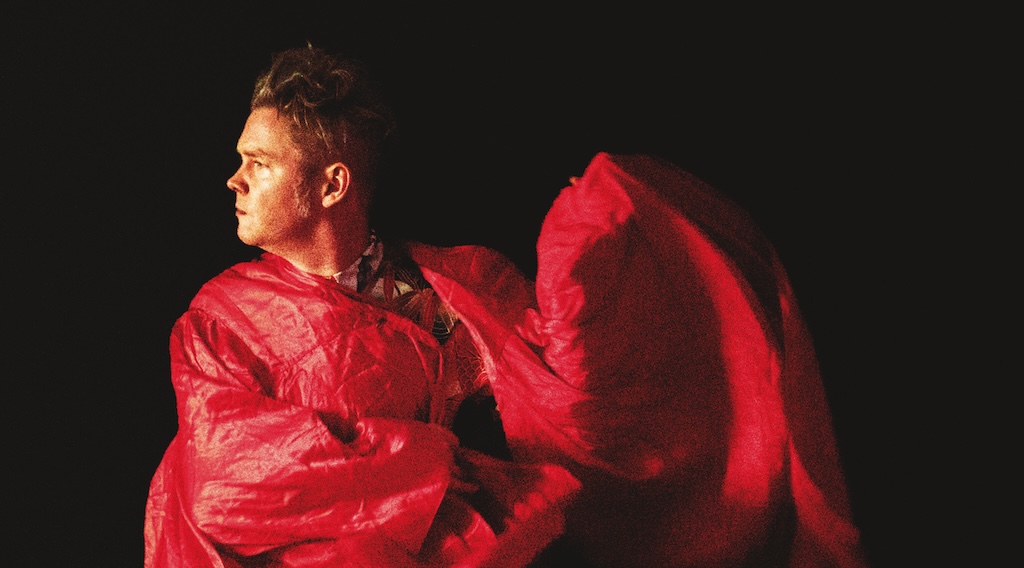
Tobias Vethake, más conocido como Sicker Man, es un polifacético artista radicado en Berlín. Activo desde 2004, cuenta con una discografía que explora géneros como el dark ambient, drone, electrónica, neo-krautrock y psicodelia. Aunque su instrumento principal es el violonchelo, su versatilidad le permite integrar la guitarra, la batería y el bajo en sus composiciones. Además de liderar su proyecto de noise/freejazz, Klotz Wenzel Vethake, destaca por su labor compositiva en cine, teatro e instalaciones artísticas.
En esta entrevista, Vethake comenta que su propósito con cada álbum es explorar nuevos territorios mediante la combinación de diversos sonidos y estilos. Un claro ejemplo es «Greedy People», de su último disco “Spökenkieker” (ver reseña en Loop); aunque originalmente tenía marcadas influencias del dub y la electrónica, la pieza se transformó hacia un estilo más punky y jazzy mientras la preparaba para sus presentaciones en vivo.
Otro ejemplo de su búsqueda por explorar nuevos caminos en este disco fue la composición de partituras para saxofón, una práctica que antes solo había reservado para el cine o el teatro. En Spökenkieker, las posibilidades se expanden conceptualmente: la cara A, titulada «Futuro», sugiere hacia dónde se dirige la música de Sicker Man mediante una amalgama de dub, jazz, electrónica y música clásica. Por su parte, en la cara B, «Pasado», Vethake regresa a sus orígenes con el violonchelo como protagonista, sumergiéndose en el drone y el minimalismo.
La búsqueda constante de Sicker Man garantiza una propuesta experimental donde el choque de géneros nos transporta a territorios desconocidos. Es un viaje sonoro que entrelaza con maestría instrumentación orgánica y procesamiento digital en una evolución constante.
Agradecemos el apoyo de Ed Benndorf de la compañía de promoción musical Dense, con sede en Berlín, por gestionar esta entrevista y también nuestras gratitud a también mi gratitud a Tobias Vethake por su disposición a compartir su visión.
En el comunicado de prensa, describe el título del álbum «Spökenkieker» como «mirar hacia lo desconocido». ¿Podría explicarnos qué representa para ti lo «desconocido» en este trabajo?
“Lo desconocido está representado por diferentes aspectos en el álbum. Por un lado, he intentado encontrar una nueva combinación de sonidos y estilos, una música nueva para mí. Este es básicamente mi enfoque con todos mis discos, siempre busco un lenguaje musical diferente al que ya conozco. Aunque aprecio profundamente a otros músicos, no veo la utilidad de repetirlos. Ellos ya lo hicieron muy bien, así que me toca a mí encontrar mi sonido diferente e individual. Y para encontrarlo, siempre hay algo imprevisto, lo desconocido dentro de mí y dentro del mundo que me rodea. Un aspecto que era completamente nuevo en ‘Spökenkieker’, en comparación con mis discos anteriores, era que esta vez sí escribí partituras para un saxofonista. Aunque en el pasado compuse mucho para cine o teatro, nunca lo hice en un álbum de Sicker Man. En el pasado tuve muchos proyectos con saxofonistas, pero todos eran improvisaciones. Así que este elemento compositivo del álbum era una de las cosas más desconocidas y nuevas para mí. Lo mismo ocurrió con la realización en directo del álbum”.
He escuchado varios samples de spoken-word (palabras habladas) a lo largo del disco. ¿Cuál fue el impulso creativo que te hizo querer entrelazar esas voces del mundo real en tus propias composiciones?
“En parte, puede que se debiera a la circunstancia de que estaba escuchando mucha música relacionada con el hip-hop en el momento de la producción. Principalmente el álbum ‘Golliwog’ de Billy Woods. Pero incluso antes, siempre me gustó cómo se puede intensificar el significado y la dirección de una pista mediante el uso de samples de palabras habladas como elementos musicales. Quizá se deba también a mi trabajo y a mi amor por la música teatral y cinematográfica. En ‘Spökenkieker’ elegí algunas de mis citas favoritas y las integré en la música. A veces las citas están relacionadas con los títulos de las canciones. La cita ‘Greedy People’ de una entrevista a Richard Pryor, por ejemplo, dio origen al nombre del tema. Las dos citas de James Baldwin (‘Johatsu’ y ‘Johatsu Reprise’) contienen tanta profundidad y verdad sobre la vida, la sociedad y el ser artista, que sentí la necesidad de incluirlas”.
«Greedy People» presenta un interesante giro hacia el territorio psicodélico. Ese twang (sonido agudo, brillante y vibrante) eléctrico específico tiene un toque retro de los años 70. ¿Fue un guiño consciente a las influencias del psych-rock?
“Tienes razón, ‘Greedy People’ es el único tema de este álbum en el que toqué la guitarra eléctrica. En cierto modo es una reminiscencia de los viejos álbumes de Sicker Man, como ‘The Missing’, y también un guiño a nuestros directos, en los que tocamos muchos de nuestros temas en un estilo más psicodélico y krautrock. Pero también, de adolescente escuchaba mucho stoner- y psychedelic rock y pensé, que a este género ahora muy nostálgico y conservador le vendría bien una pequeña actualización. Combiné la pesada (los efectos) guitarra fuzz con trap-beats y sidechain para crear una versión de riff-rock, que me gustaría y encuentro necesaria ahora. Pero, obviamente, en el proceso entraron otros elementos y el conjunto se convirtió en una pieza más dubby y electrónica. Curiosamente, mientras trabajaba en una versión en directo del álbum, este tema tomó un giro aún más diferente, más punky y jazzy.
En la nota de prensa mencionabas que la música de hoy en día debería «luchar o llorar a los muertos», y que aquí (en el álbum) has hecho ambas cosas. Es una dualidad sorprendente. ¿Cómo has conseguido equilibrar esa cruda agresividad con la solemnidad del duelo en el álbum «Spökenkieker»?
“Es cierto, hay múltiples dualidades en el álbum. Puedes encontrarlas dentro de las pistas, donde diferentes elementos musicales chocan entre sí. Como en ‘Matchless’, donde una sección de cuerda inspirada en compositores como Shostakovich choca con un arreglo dubby y electrónico. Pero también dividí ‘Spökenkieker’ en dos secciones temáticamente diferentes. La cara A se titula ‘Futuro’ y la cara B ‘Pasado’. Para mí, la primera cara representa una visión, una idea de cómo podría sonar un posible futuro de mi música: Una mezcla de Dub, Jazz, Electrónica y Música Clásica. Así que, en este caso, ‘buscar pelea’ representa más bien la idea de no rendirse, reunir elementos (¿personas?) e inventar un futuro posible. En la cara B volví al lugar de donde vengo, a los drones, la música minimalista y clásica y al violonchelo, mi instrumento principal. De vuelta a los que perdí a lo largo de los años, de vuelta a las cosas que todos perdimos en nuestra sociedad en declive. Por eso la segunda cara tiene la sensación y casi la estructura de un réquiem. En este álbum he intentado mirar hacia delante y al mismo tiempo llorar lo que ya no está. El anterior lanzamiento de mi proyecto paralelo de noise/freejazz, Klotz Wenzel Vethake, ‘Burst’, era una lucha creativa pero muy confrontacional. Con ‘Spökenkieker’ adopté un enfoque diferente. Intenté experimentar y confrontar, pero al mismo tiempo utilizar estructuras y lenguajes de la música ‘pop’. Intenté crear algo que planteara una pregunta, pero que también invitara a más gente a la solución. Así que, en una retrocultura nihilista, ofrecer un futuro posible es bastante radical, creo. No debemos olvidar que la nostalgia es una herramienta cultural de la oligarquía fascista que nos rodea. No más falso consuelo en la falsa idea de un pasado más bonito y más fácil. En eso también se basa ‘KI’. No hay lugar para esa mierda. Esa es una lucha que todos deberíamos elegir”.
El trabajo de Sicker Man siempre parece ir más allá de los límites del violonchelo y la electrónica. De cara al futuro, ¿hacia dónde crees que se dirige el proyecto? ¿Te inclinas más por los paisajes sonoros fílmicos o quizás por algo más rítmico?
“Sí, ya veremos. Este álbum marcó definitivamente mi regreso a mi propia idea de la música ‘pop’. Pero conociéndome, probablemente volveré de nuevo a la música más experimental, a investigar y aprender, antes de regresar con otra versión popular de Sicker Man. Pero tienes razón, el bajo y los ritmos han tenido más importancia que nunca en este álbum, así que creo que me quedaré con eso un poco más (risas).”
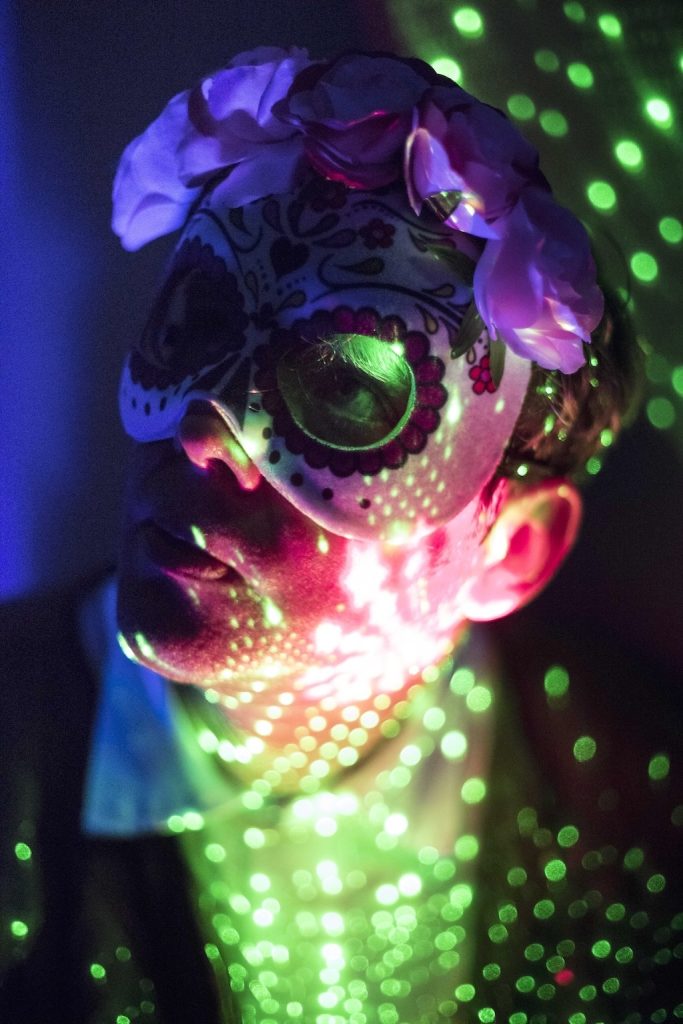
Tobias Vethake, performing as Sicker Man, is a versatile Berlin-based artist with a prolific career spanning two decades. Since 2004, his discography has traversed the landscapes of dark ambient, drone, electronica, neo-krautrock, and psychedelia. While the cello remains his primary voice, Vethake’s multi-instrumental fluency extends to guitar, drums, and bass. Beyond his solo work and his noise/free-jazz project, Klotz Wenzel Vethake, he is an accomplished composer for film, theatre, and immersive art installations.
In this interview, Vethake explains that his goal with each release is to traverse new territory by blending disparate sounds and styles. A prime example is ‘Greedy People’ from his latest album, ‘Spökenkieker’ (reviewed in Loop). Originally rooted in dub and electronica, the track morphed into a punchier, jazz-inflected piece as it was adapted for his live set.
Further pushing his boundaries, Vethake introduced saxophone scores to the album—a technique previously reserved for his film and theater commissions. Spökenkieker expands this conceptual reach by splitting the record: Side A (‘Future’) forecasts the artist’s trajectory through an amalgam of dub, jazz, and classical electronics, while Side B (‘Past’) marks a return to his roots. Here, the cello reclaims center stage amidst deep dives into drone and minimalism.
Sicker Man’s relentless exploration yields an experimental sound where the collision of genres transports the listener to uncharted territory. It is a sonic journey that masterfully intertwines organic instrumentation with digital processing in a state of constant evolution.
We would like to thank Ed Benndorf from Dense for arranging this interview, and we are deeply grateful to Tobias Vethake for sharing his creative vision.
In the press release, you describe the album title ‘Spökenkieker’ as ‘looking into the unknown.’ Could you elaborate on what that ‘unknown’ represents to you personally within this body of work?
“The unknown is represented by different aspects on the album. For one I tried to find a new combination of sounds and styles, a music that is new to me. This is basically my approach with all my records, i’m always looking for a musical language, that is different to the one, that I already know. Though I deeply appreciate other musicians, I see no use in just repeating them. They already did it so well, so it is up to me to find my different, individual sound. And to find that, there is always something unpredicted involved, the unknown within me and within the world surrounding me. One aspect that was completely new on ‘Spökenkieker,’ compared to my previous records, was, that this time I did write sheets for a saxophone player. Though I did compose a lot in the past for film or theatre, I never did that on a Sicker Man album. I did have many project with saxophone players in the past, but those were all improvisations. So, this composing element on the album was one of the biggest unknown and new things to me. Same was true for the live realization of the album.”
I noticed several spoken-word samples throughout the record. What was the creative ‘spark’ that made you want to weave those real-world voices into your own compositions?
“Part of that maybe came from the circumstance, that I was listening to a lot of Hiphop-related music at the time of the production. Mainly the ‘Golliwog’ album from Billy Woods. But even before, I always liked, how you can intensify the meaning and direction of a track by using spoken word samples as musical elements. This is maybe also due to my work in and love for theatre- and film music. On ‘Spökenkieker’ I picked some of my favorite quotes and integrated them into the music. At times the quotes relate to the track titles. The ‘Greedy People’ – quote from a Richard Pryor-interview e.g. gave birth to the name of track. The two James Baldwin – quotes (‘Johatsu’ and ‘Johatsu Reprise’) contain so much depth and truth about life, society and being an artist, that I felt the need to include them.”
‘Greedy People’ features a fascinating shift into psychedelic territory. That specific electric twang has such a distinct ’70s retro flair—was that a conscious nod to psych-rock influences?
“You are right, ‘Greedy People’ is the only track on this album where I did play the electric guitar. In a way it is a reminiscence of older Sicker Man – albums like ‘The Missing’ and also a nod to our live-shows, where we play a lot of our tracks in a more Psychedelic, Krautrock style. But also, as a teen I was listening to a lot of Stoner- and Psychedelic Rock and I thought, that this now very nostalgic and conservative genre could use a little update. I combined the (effects) heavy fuzz – guitar with trap-beats and sidechain to create a version of riff-rock, that I would like and find necessary now. But obviously in the process, other elements came in and the whole thing turned into a more dubby, electronic piece. Interestingly, while working on a live version of the album, this track took an even different, more punky, jazzy turn.
In the press release, you mentioned that music today should either ‘pick a fight or mourn the dead’—and that you’ve done both here. That’s a striking duality. How did you balance that raw aggression with the solemnity of grief across the tracklist of ‘Spökenkieker’?
“It’s true, there are multiple dualities on the album. You can find them within the tracks, where different musical elements are clashing with each other. Like in ‘Matchless,’ where a string section, that is inspired by composers like Shostakovich, hits a dubby, electronic arrangement. But I also divided ‘Spökenkieker’ in two thematically different sections. Side A is titled ‘future’ and side B ‘past.’ So, to me, the first side represents a vision, an idea of what a possible future of my music could sound like: A mix of Dub, Jazz, Electronica and Classical Music. So, in this case, ‘picking a fight’ represents more the thought of not giving up, bringing elements (people?) together and inventing a possible future. On side B I did go back to where I came from, back to Drones, Minimal and Classical Music and the Cello, my main instrument. Back to the ones I lost over the years, back to things we all lost in our declining society. That’s why the second side has the feel and almost the structure of a requiem. On this album I tried to look forward and at the same time mourn what is gone. The previous release of my Noise/Freejazz-side-project Klotz Wenzel Vethake ‘Burst’ really did pick a fight in a creative but very confrontational manner. With ‘Spökenkieker’ I took a different approach to picking a fight. I tried to experiment and confront, but at the same time use structures and the languages of ‘pop’-music. I tried to create something that raises a question but also invites more people to the solution. So, in a nihilistic retro-culture, offering a possible future is pretty radical, I think. We shouldn’t forget, that nostalgia is a cultural tool of the fascist oligarchy surrounding us. No more fake comfort in the false idea of a nicer and easier past. That’s what the ‘KI’ is built on as well. No room for that shit. That’s a fight we should all pick.”
Sicker Man’s work always seems to push the boundaries of the cello and electronics. Looking forward, where do you see the project heading next—are you leaning further into filmic soundscapes or perhaps something more rhythmic?
“Yes, we will see. This album definitely marked my return to my own idea of ‘pop’-music. But knowing me, I will probably go back to more experimental music again, back to researching and learning, before I return with another popular version of Sicker Man. But you are right, bass and beats had a bigger importance on this album than ever before, so I think, I’ll definitely stick with that a bit longer. (laughter)”
https://sickerman.bandcamp.com
https://www.instagram.com/sickerman
https://www.sicker-man.com/
