
Thomas Dimuzio / Soriah / Voice of Eye
«APHELION has a very shamanic quality, like a journey into dark underworlds.» Jim Wilson
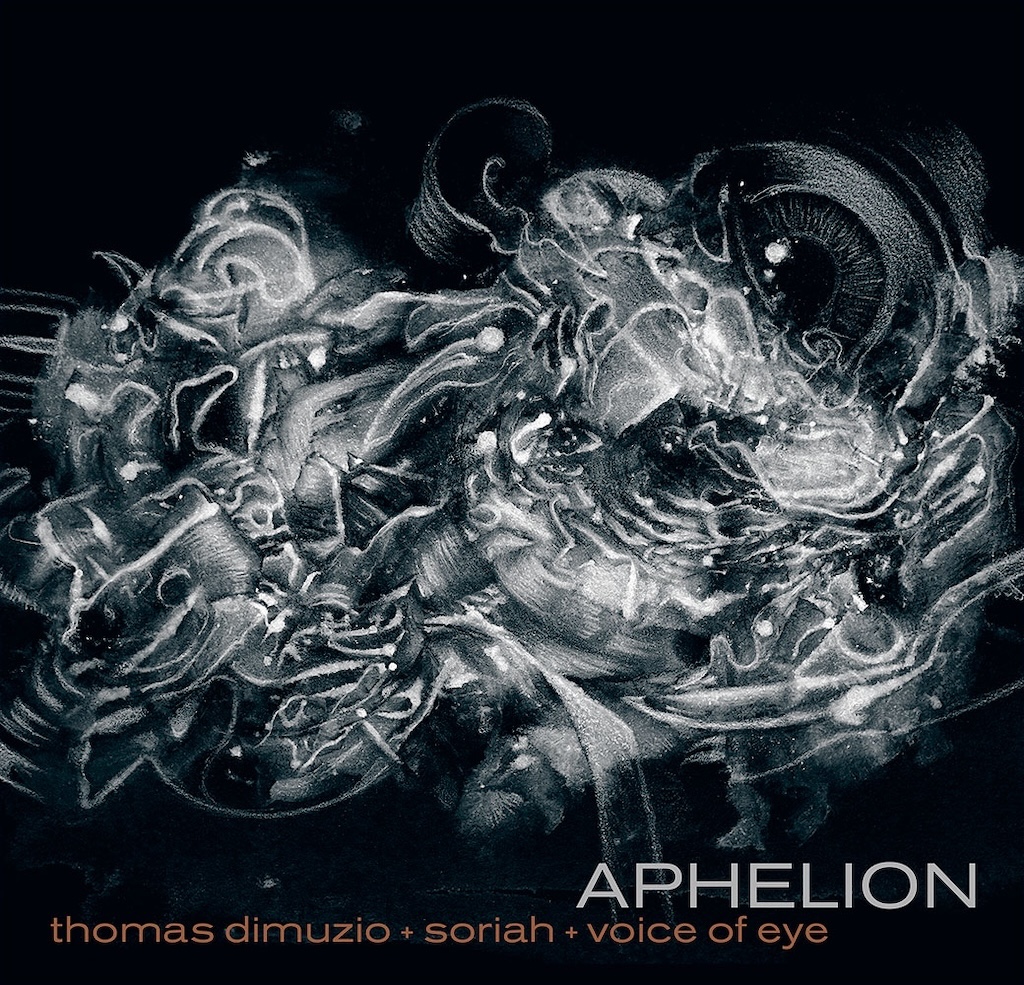
Esta entrega nace de la colaboración entre creadores que acumulan una trayectoria de cuatro décadas: el dúo de ambient-drone de Nuevo México, Voice of Eye (Jim Wilson y Bonnie McNairn), aportando sus teclados analógicos de los años 70; la síntesis modular moderna de Thomas Dimuzio; y el artista de dark ambient Soriah (Enrique Ugalde). Este último, cantante gutural de khöömei —una forma tradicional de canto difónico de Tuva, Rusia—, complementa el ensamble con la ejecución del igil (el violín tuvano de dos cuerdas). Juntos despliegan un universo de ambient-drone, rituales chamánicos y música tribal para explorar territorios desconocidos, misteriosos y oscuros, dando forma a paisajes sonoros infinitos moldeados por drones eternos.
La presente entrevista se realizó en el contexto de su nuevo álbum, APHELION, editado por el mítico sello Drone Records, bajo la dirección de Stefan, quien gestionó esta entrevista. Vayan desde ya mis sinceros agradecimientos a Jim Wilson y Bonnie McNairn (Voice of Eye), Thomas Dimuzio y Enrique Ugalde (Soriah) por hacer posible este diálogo.
APHELION reúne a tres fuerzas distintas y profundamente consolidadas dentro de los ámbitos de la música de vanguardia y el ambient. ¿Cómo surgió esta combinación en particular, y qué les atrajo a cada uno de ustedes de la idea de realizar un lanzamiento conjunto para la serie SYM de Drone Records?
Thomas Dimuzio: «A principios de 2021, en pleno confinamiento por la pandemia —que terminó prolongándose durante 15 meses—, realicé el trabajo de masterización para el álbum debut (Chao Organica in A Minor, Beta-lactam Ring Records, 2006) de Soriah. Unos meses más tarde, me enteré de que Soriah iba a dar un concierto en solitario en Oakland. Fue un evento monumental, ya que se trataba del primer espectáculo al que asistía tras el confinamiento. Quedé fascinado mientras observaba a Soriah —a escasos metros de distancia— realizar una interpretación impecable; sentí que estaba presenciando algo verdaderamente extraordinario, dotado de una intensidad y una profundidad musical que, sinceramente, no esperaba”.
Thomas Dimuzio: «Después, me presenté y descubrí que teníamos mucho en común. Enrique mencionó que estaba trabajando en un proyecto con Voice of Eye, a lo que respondí que yo mismo había grabado un disco con ellos hacía ya bastantes años. No pude evitar preguntarme qué podríamos lograr los cuatro juntos. Así que tomamos el diálogo basado en sintetizadores que Jim y yo habíamos iniciado y pronto pasamos a colaboraciones plenas, tanto a distancia como en persona. Por supuesto, Drone Records fue la opción evidente para publicar estos trabajos y darlos a conocer al mundo. Afortunadamente, Stefan, de Drone, aceptó encantado».
Jim Wilson: “Voice of Eye y Thomas Dimuzio ya habíamos colaborado anteriormente en The Unveiling of Darkness (2012), por lo que una segunda colaboración siempre fue una posibilidad. En 2021, empecé a experimentar con un viejo sintetizador Korg MS-20 que conservo desde los años ochenta. Sabiendo lo vinculado que está Thomas a los sintetizadores Buchla, le propuse crear juntos un proyecto de temática espacial”.
Jim Wilson: “Con el tiempo, le preguntamos a Enrique si le interesaría sumarse a este proyecto incipiente; creíamos que su enfoque vocal único aportaría un elemento humano a nuestros paisajes sonoros —o drones—, que de otro modo habrían sido generados exclusivamente por máquinas”.
Jim Wilson: “En ese momento, creo que Bonnie ya estaba participando en las primeras etapas de Syzygy, uno de nuestros temas iniciales. La posibilidad de que Bonnie aportara su energía femenina, junto a la voz más grave y masculina de Soriah, resultaba sumamente intrigante”.
La música drone colaborativa puede volverse fácilmente saturada; sin embargo, APHELION mantiene una dinámica espacial increíble. ¿Cuál fue el proceso para definir y delimitar las frecuencias sonoras de cada uno, permitiendo así que los elementos acústicos, electrónicos y vocales pudieran “respirar”?
Thomas Dimuzio: “En esencia, todo se reduce a saber escuchar y a compartir una misma estética, o una visión común. Somos músicos experimentados, todos vinculados al eterno drone y nuestras sensibilidades artísticas convergieron hacia una dirección unificada. A menudo, la música nos indica hacia dónde quiere ir, especialmente en un trabajo colaborativo donde nos intercambiamos pistas. Este proceso, realizado fuera del tiempo real, facilita un enfoque más compositivo, brindando espacio para una escucha y un análisis detenidos. Es un planteamiento más cerebral, a diferencia de la improvisación conjunta en directo».
Jim Wilson: “Al principio, Thomas y yo intercambiábamos drones. Más tarde, durante una gira de Enrique por San Francisco, él y Thomas grabaron algunas improvisaciones que sirvieron de base para varios temas de APHELION”.
Jim Wilson: “Después, tomé esas grabaciones y me dediqué a editar, crear loops y, en cierto modo, transformar radicalmente la voz de Soriah. Sentía que el estilo vocal de Enrique estaba tan definido que este proyecto representaba una oportunidad para llevar su sonido hacia una dirección distinta. En cada sesión de intercambio de pistas, esperaba que Enrique pusiera alguna objeción; sin embargo, gracias a su confianza, me dio total libertad. En este álbum hay muchos sonidos que el oyente podría confundir con un sintetizador, pero que, en realidad, son la voz de Enrique sometida a un procesamiento exhaustivo”.
Jim Wilson: “En su mayor parte, mantuve las pistas de Thomas intactas, realizando solo algunos ajustes menores aquí y allá». Las improvisaciones originales de Thomas y Enrique ya contaban con mucho espacio, así que nos centramos en preservar la inspiración de aquellas sesiones mientras incorporábamos la aportación de Voice of Eye”.
Jim Wilson: “Colaborar a distancia nos dio tiempo para experimentar y determinar qué necesitaba cada tema para llegar a donde debía ir. Todos llevamos mucho tiempo dedicándonos a esto y sentimos un profundo respeto por los procesos creativos de los demás. En algunos temas, ciertos miembros cobran más protagonismo, mientras que en otros, otros integrantes se mantienen en un segundo plano dentro de la mezcla. Además, el uso extensivo de la automatización de volumen ayudó a preservar esa sensación de espacio”.
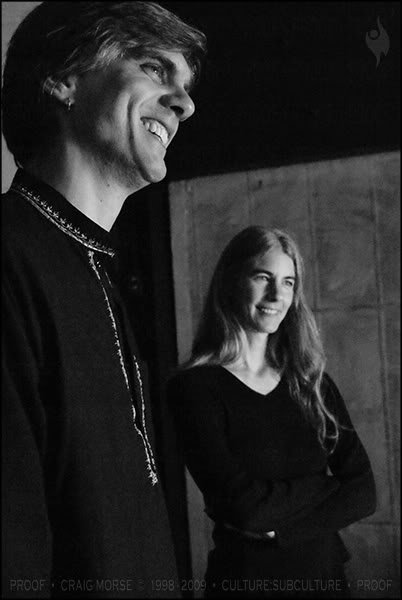
Para Jim y Bonnie, Voice of Eye siempre han destacado por su capacidad para fusionar paisajes sonoros orgánicos y ancestrales con elementos electrónicos. En este disco, ¿cómo lograron equilibrar sus equipos clásicos Korg de los años 70 y sus flautas con el sampleo en directo y el procesamiento digital de Thomas, junto a las voces primigenias de Soriah?
Jim Wilson: “Todo consiste en escuchar e identificar qué se puede añadir para complementar lo que ya existe, o para llevar el tema en una nueva dirección. A menudo empiezo a trabajar sin una idea clara de lo que va a suceder; a veces creo saber hacia dónde se dirige una pieza, pero termina tomando otro rumbo. Un buen ejemplo de esto es Pulse Array. El tema surgió de una improvisación de Thomas y Enrique. Experimenté añadiendo batería para ver qué podía surgir, lo cual cambió por completo su dirección”.
Jim Wilson: “Trabajar en Wormhole también fue muy divertido. Tomé algunos fragmentos del final de la improvisación original de Thomas y Enrique y los convertí en loops. Aunque eran segmentos breves —casi descartables—, aportaron el toque melódico justo a la primera parte del tema que finalmente incluimos”.
Jim Wilson: “Espero que, al explorar los distintos temas, los oyentes puedan percibir el «sonido» único de cada artista y, al mismo tiempo, experimentar una sonoridad fresca y distintiva que surge de nuestra colaboración”.
Para Enrique. Tu dominio del khöömei (canto de garganta tuvano) actúa como un auténtico ancla humana en medio de la vasta arquitectura sintética del álbum. ¿Cómo abordas esta técnica al interactuar con entornos electrónicos modulares y altamente abstractos, en comparación con un contexto acústico tradicional?
Soriah: «Mi enfoque en APHELION consistió, sencillamente, en utilizar mi voz como cualquier otro instrumento: la situé donde sentí que mi espíritu podía aportar un mayor propósito a una pieza concreta. En muchas ocasiones, funcionó mejor desempeñando un papel de apoyo, más centrado en la textura; en otras, resultó más eficaz en un plano ascendente. Una de las grandes virtudes del canto difónico (canto de garganta) es la amplitud de su rango sonoro. Ofrece tal variedad de frecuencias, texturas y resonancias que la voz puede adoptar múltiples roles, según lo que la música requiera”.
Soriah: «Lo singular de este proyecto es que abarca un espectro de entornos vibratorios más amplio del que suelo manejar. Temas como Keplar Drift y Wormhole fueron excelentes oportunidades para explorar más allá de mi paleta vocal habitual. Me encantó el desafío. Pude deconstruir mi proceso y aplicarlo mediante diversas técnicas vocales expresivas, más allá del canto difónico. Los mantras y los tonos vocales están concebidos, a menudo de forma deliberada, para ser tanto texturales como tonales; revelan melodías armónicas ocultas en la sutileza de la enunciación de lo que, de otro modo, podría parecer un galimatías”.
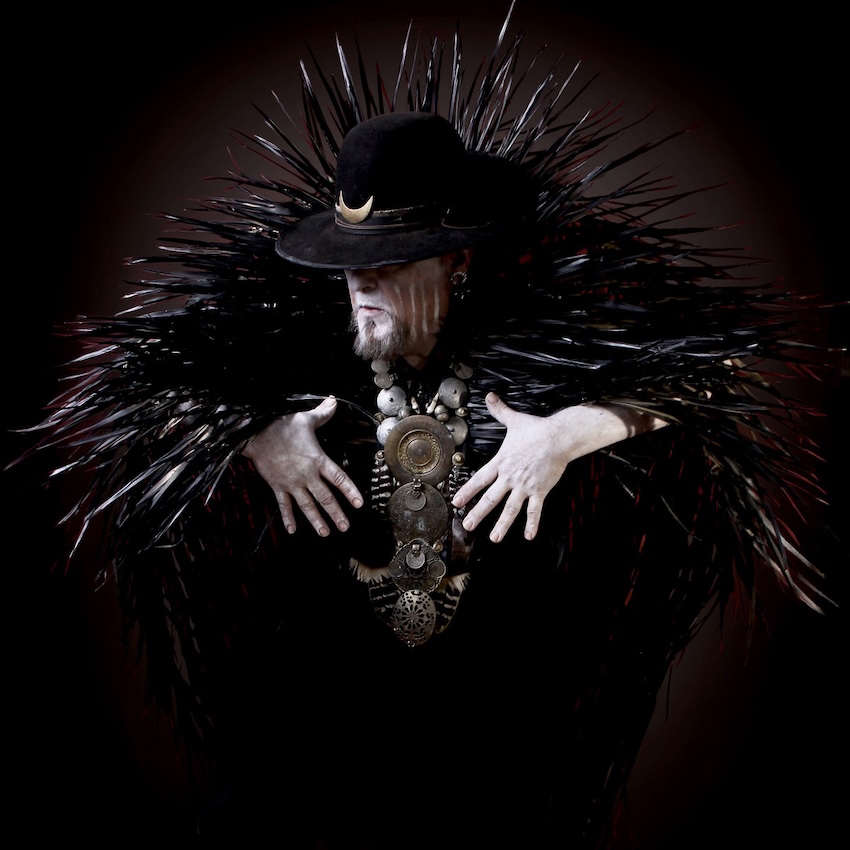
Soriah: «Pero, por muy ‘de otro mundo’ que puedan resultar mi canto difónico y el resto de las voces en APHELION para la mayoría de la gente —como bien has notado—, la voz humana sigue siendo ese hilo conductor que nos devuelve al observador, al oyente. Existe algo intrínsecamente humano en el sonido acústico y biológico de la respiración, la carne y la fisiología del canto. Creo que esto brinda al oyente un punto de conexión empática, incluso dentro de los entornos electrónicos más abstractos. Se crea un espacio familiar; al mismo tiempo, espero que esto invite a una parte más profunda de la conciencia del oyente a emerger y encontrarse con esa voz en el vasto espacio que esta habita dentro de la música”.
Para Thomas Dimuzio: Como alguien reconocido por sus actuaciones en directo, sampleos, síntesis Buchla y procesamiento complejo de señales; en esencia, manejas el ‘pegamento’ que une estos elementos dispares. ¿Cuál fue tu enfoque técnico para capturar y manipular las voces acústicas de Soriah y las texturas orgánicas de Voice of Eye en tiempo real?
Thomas Dimuzio: “Una vez que el proceso se puso en marcha, Enrique y yo encontramos tiempo para trabajar juntos en el estudio, donde tuvimos la oportunidad de improvisar varios temas. En ellos, me dediqué principalmente a realizar sampleos en vivo de su voz y sus instrumentos tradicionales, añadiendo capas y transformaciones en tiempo real”.
Estas improvisaciones dotaron a la música de una cohesión visceral, algo que no se habría logrado simplemente intercambiando pistas, y aun así dejaron espacio suficiente para la sonoridad característica de Voice of Eye. Por otro lado, yo trabajaba por mi cuenta en diversas piezas centradas en el sistema Buchla para enviárselas a Jim; él, a su vez, me enviaba pistas sobre las que yo añadía grabaciones adicionales (overdubs) con el Buchla.
Estos dos enfoques —el trabajo en vivo y el trabajo asincrónico— llevaron a APHELION a terrenos a los que, probablemente, no habríamos podido llegar de otra manera”.
This release marks a monumentally rich collaboration between visionary artists whose respective careers span four decades. Coming together for the project are the New Mexico-based ambient-drone duo Voice of Eye (Jim Wilson and Bonnie McNairn), wielding their vintage 1970s analog keyboards; Thomas Dimuzio with his cutting-edge modern modular synthesis; and dark ambient artist Soriah (Enrique Ugalde). As a master of khöömei—a traditional form of overtone throat singing from Tuva, Russia—Soriah elevates the ensemble alongside his evocative playing of the igil (a two-stringed Tuvan violin). Together, this collective weaves an immersive universe of ancestral shamanic rituals, tribal rhythms, and deep drone architecture, mapping out dark, boundless, and uncharted sonic territories.
This feature dives into their mesmerizing new collaborative album, APHELION, out now via the legendary label Drone Records and helmed by Stefan, who graciously arranged this conversation. My sincere thanks go to Jim Wilson, Bonnie McNairn, Thomas Dimuzio, and Enrique Ugalde for bringing their profound insights to this interview.
APHELION brings together three distinct, deeply established forces in the avant-garde and ambient spaces. How did this specific alignment come to be, and what drew each of you to the idea of a joint release for Drone Records’ SYM series?
Thomas Dimuzio: «Early in 2021, while we were in the midst of what turned out to be a 15 month lockdown from the pandemic, I’d done the mastering work for Soriah’s debut LP (Chao Organica in A Minor, Beta-lactam Ring Records, 2006). A few months later I’d heard Soriah was playing a solo show in Oakland. This concert was monumental in that it was the first show I’d be experiencing post-lockdown. I was mesmerized sitting just a few feet away from Soriah as he flawlessly performed, and felt as if I was witnessing something truly extraordinary, and with a musical intensity and depth that I honestly did not expect.”
Thomas Dimuzio: “Afterwards I introduced myself and found we had much in common. Enrique mentioned he was working with Voice of Eye on a project and I exclaimed that Voice of Eye and I had also done a record together quite a few years earlier. I couldn’t help but think what all four artists could achieve together. So we took the synth-based dialog which Jim and I started and soon moved into full-on collaborations, both distant and local. Of course Drone Records was the obvious choice for us to get these works out and into the world. Thankfully Stefan at Drone wholeheartedly agreed.»
Jim Wilson: «Voice of Eye and Thomas Dimuzio had previously collaborated on The Unveiling of Darkness in 2012, so a second collaboration was always a possibility. In 2021, I began experimenting with an old Korg MS-20 synthesizer I’ve had since the 1980s. Knowing how involved Thomas is with Buchla synthesizers, I proposed we create a deep space project together.»
Jim Wilson: «Eventually, we asked Enrique if he would be interested in adding to this fledgling project, believing his unique vocal approach would bring a human element to our otherwise machine-generated space drones.»
Jim Wilson: «At this point, I think Bonnie was already involved in the early stages of Syzygy, one of our initial tracks. The prospect of Bonnie contributing her feminine energy alongside Soriah’s heavier, masculine vocals was incredibly intriguing.»
Collaborative drone can easily become overcrowded, yet APHELION maintains incredible spatial dynamics. What was your process for carving out sonic frequencies for one another so that the acoustic, electronic, and vocal elements could breathe?
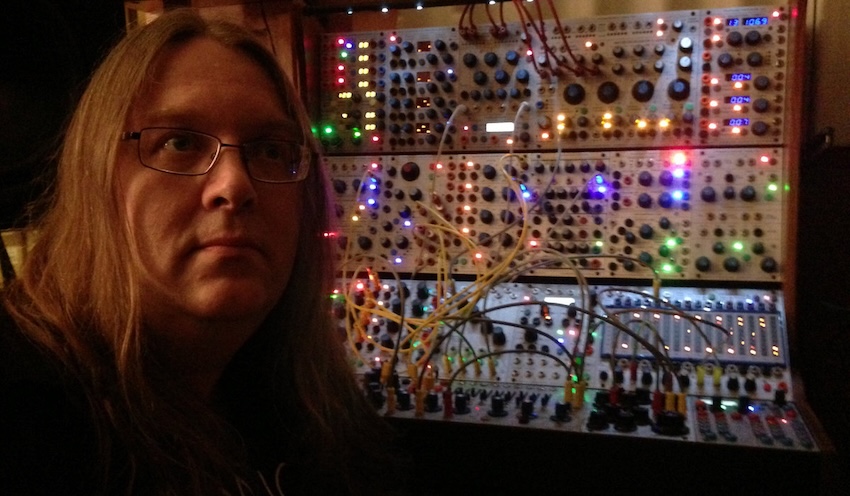
Thomas Dimuzio: «It essentially comes down to listening and a like-minded aesthetic, or group think. We’re seasoned players all tethered to the eternal drone and our artistic sensibilities meshed into a unified direction. Music often tells us where it wants to go; especially in a collaboration when passing tracks back and forth. This offline process facilitates a more compositional approach allowing time for extended listening and analysis. More of a cerebral approach compared to improvising together live.»
Jim Wilson: «In the beginning, Thomas and I exchanged drones back and forth. Later, while Enrique was touring in San Francisco, he and Thomas recorded some improvisations that became the foundation for several tracks on APHELION.”
Jim Wilson: «I then took those tracks and edited, looped, and otherwise mangled Soriah’s voice. I felt that Enrique’s vocal style was so well-established that this project was an opportunity to take his sound in a different direction. With each track-sharing session, I expected Enrique to protest, but to his credit and trust, he let me go for it. There are many sounds on this CD that the listener might believe to be a synthesizer, but they are actually Enrique’s voice being thoroughly processed.»
Jim Wilson: «For the most part, I kept Thomas’s tracks intact, making only a few minor edits here and there. The original improvisations from Thomas and Enrique’s already had plenty of space, so we focused on preserving the inspiration from those sessions as we added Voice of Eye’s contribution.»
Jim Wilson: «Collaborating long-distance gave us time to experiment and figure out what each track needed to get it where it wanted to go. We have all been doing this a long time and have a deep respect for each other’s creative processes. On some tracks, certain members are featured, while on others, members sit back in the mix. Also, a lot of volume automation helped maintain that sense of space.»
For Jim and Bonnie, Voice of Eye has always excelled at blending ancient, organic soundscapes with electronics. For this record, how did you balance your classic 1970s Korg setups and flutes with the live sampling and digital processing of Thomas and the primal vocals of Soriah?
Jim Wilson: «It’s all about listening and identifying what can be added to complement what is already present, or to take the track in a new direction. I often start working without a clear idea of what will happen, and sometimes think I know where a piece is headed, only for it to go in another direction. A good example of this is Pulse Array.» The track originated from an improvisation by Thomas and Enrique. I experimented by adding drums to see what might emerge, which completely changed its direction.»
Jim Wilson: «Working on Wormhole was really fun as well. I looped a few moments from the end of Thomas and Enrique’s original improvisation. Although these segments were small, almost throwaway parts, they added just the right hint of a melody to the first part of the track that we ended up using.»
Jim Wilson: «I hope that as listeners explore the various tracks, they will hear each artist’s unique ‘sound’ while also experiencing a fresh and distinctive sound that emerges from our collaboration.»
For Enrique. Your mastery of Tuvan Khöömei (throat singing) acts as a literal human anchor amidst the vast, synthetic architecture of the album. How do you approach throat singing when navigating highly abstract, modular electronic environments compared to a traditional acoustic setting?
Soriah: «My approach with APHELION was simply to use my voice like any other instrument: I placed it where I felt my spirit could be of greatest purpose to a particular piece. Much of the time, it worked best in a supportive, textural role. At other times, it served best in the ascendant. One of the great things about throat singing is how broad its sonic range is. There are so many frequencies, textures, and resonances available that the voice can take on many different roles depending on what the music needs.»
Soriah: «What is unique about this project is that it contains a wider spectrum of vibrational environments than I’m used to. Tracks such as Keplar Drift and Wormhole were great opportunities to explore outside my usual vocal palette. I loved the challenge. I had the chance to deconstruct my process and apply it with different emotive vocal techniques outside of throat singing as well. The mantras and vocal tones are often deliberately meant to be as textural as they are tonal, revealing hidden harmonic melodies in the subtlety of the enunciation of what might otherwise seem like gibberish.»
Soriah: «But even as otherworldly as my throat singing and the other vocals on APHELION sounds to most people, as you’ve noticed, the human voice is always the lifeline that can be traced back to the observer/listener. There is still something recognizably human in the acoustic, biological sound of breath, flesh, and the physiology of singing. I think that gives the listener an empathetic point of connection within even the most abstract electronic environments. It creates a familiar place, but at the same time, I would hope that it coaxes a deeper part of the listener’s consciousness to emerge and meet that voice in the vast space it inhabits within the music.»
For Thomas Dimuzio: As someone renowned for live sampling, Buchla synthesis, and complex signal processing, you essentially wield the «glue» that binds these disparate elements. What was your technical approach to capturing and manipulating Soriah’s acoustic vocals and Voice of Eye’s organic textures in real-time?
Thomas Dimuzio: «Once the ball got rolling, Enrique and I found time to work together in the studio where we had the opportunity to improvise a number of tracks. For these tracks I primarily live sampled his voice and his traditional instruments adding real-time layering and transformations.
These improvisations viscerally tied the music together in ways that could not be achieved by sending tracks back and forth, yet still left ample space for the sonics of Voice of Eye. Alternatively I’d work out various Buchla-centric pieces on my own to send to Jim while he also sent tracks to me, where I’d add additional Buchla overdubs.
These two approaches, live and offline, brought APHELION to places we probably could not have attained otherwise.»
The SYM series emphasizes «Synesthetic Music.» When you listen back to the completed movements of APHELION, what internal visual landscapes, colors, or physical sensations does this specific combination of sounds trigger for you?
Thomas Dimuzio: «Space: the final frontier. Actually it goes way beyond that cliché. Forming an organic tribute to the vastness of space combined with the human elements of voice, breath, and emotion made for what turned out to be a sprawling dark universe streaked with nebulas of color and portals to another time.
Jim Wilson: «It’s hard for me to separate the effort that went into creating the movements from hearing them as if for the first time. APHELION has a very shamanic quality, like a journey into dark underworlds. Although it incorporates many machine elements, the human aspect ultimately shines through.»
