Throbbing Gristle – Live at the Volksbühne, Berlin, New Year’s Eve, 2005
Curatoría y revisión de Jan Klaus
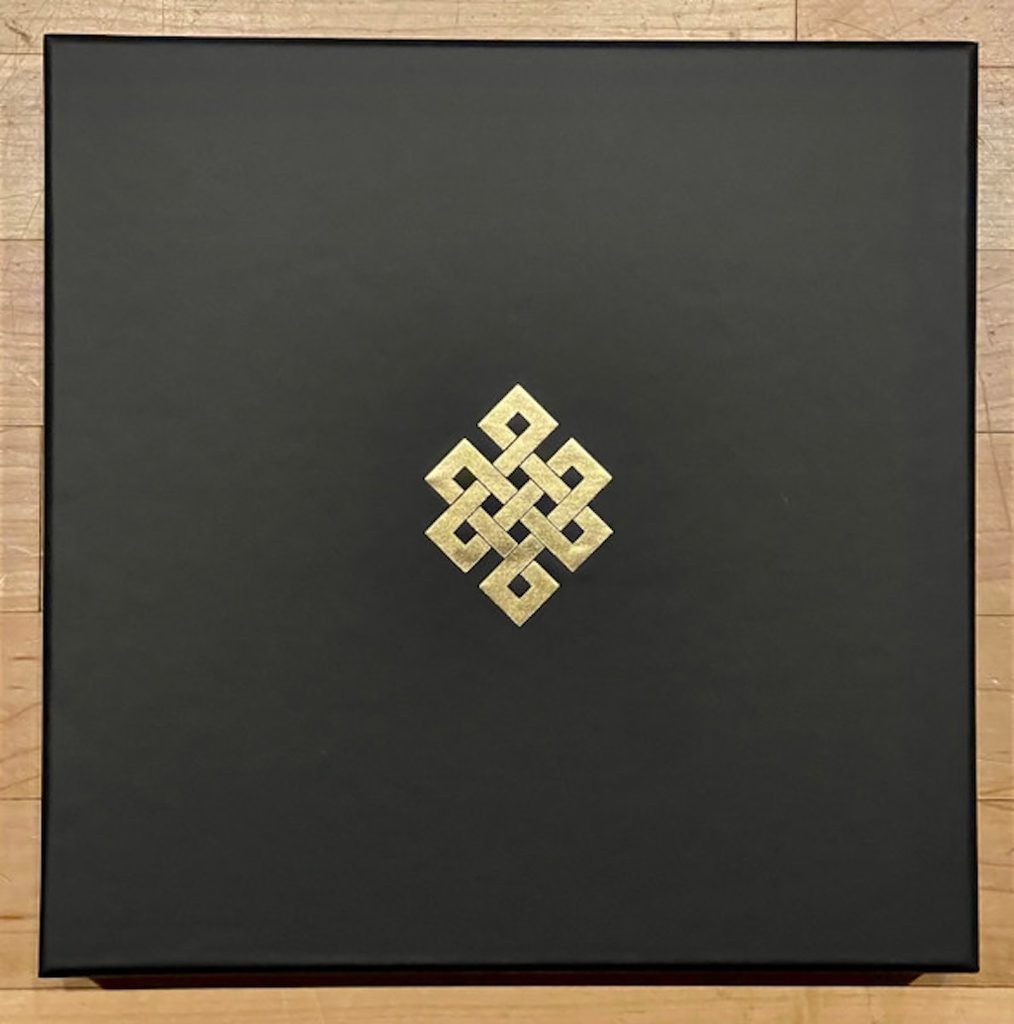
Este box set llegó a mis manos gracias a Kali Yuga Distro (KYD), y quiero comenzar precisamente por ahí. TG Berlin no es una edición cualquiera ni tampoco una de esas reediciones que uno compra, escucha y guarda en una repisa. Es un objeto costoso —vale un ojo de la cara—, limitado y numerado a solamente 1.000 ejemplares, y por eso agradezco especialmente la gentileza de KYD de habérmelo regalado. El conjunto reúne cuatro CD, un vinilo de 10 pulgadas con el último single de Throbbing Gristle, un Blu-ray con Dolby Atmos y un libro de cien páginas que incluye fotografías exclusivas, notas y todo el desarrollo gráfico de la edición. El material fue registrado en Berlín durante el invierno de 2005–2006 y, desde la propia portada, donde aparece el “Endless Knot”, ya se instala una idea que terminará recorriendo todo este trabajo: aquí el pasado y el presente se cruzan, se retuercen y terminan formando un solo nudo.
Para entender por qué este box es importante hay que volver primero a las condiciones que hicieron posible la aparición de Throbbing Gristle. El grupo surgió en una Gran Bretaña culturalmente agitada, hacia mediados y fines de los años setenta, en un contexto en que parte de la música comenzaba a reaccionar contra la grandilocuencia, el virtuosismo y la solemnidad de cierto rock progresivo. Si ya existía un Rock in Opposition dispuesto a tensar las convenciones del propio progresivo, TG parecía querer desplazarse todavía más lejos y convertirse, de algún modo, en una música experimental que se oponía incluso a aquello que ya había sido aceptado como “experimental”.
Su lugar de origen cultural era extraño. No provenían del glamour londinense ni de una aristocracia artística europea, sino de un mundo mucho más periférico, industrial, degradado, marcado por ciudades con altos niveles de desempleo y deterioro social. Había en ellos una inclinación deliberada hacia lo grotesco, lo obsceno, lo barato, lo marginal y la performance extrema. Esa posición casi de parias culturales, ajenos al arte de élite y a los grandes circuitos de legitimación, terminó siendo una ventaja. No necesitaban pedir autorización ni al conservatorio, ni a la academia, ni a las instituciones encargadas de decidir qué era música y qué no lo era.
En ese punto se vuelve esencial el Do It Yourself, el “hazlo tú mismo”, que después sería una de las grandes consignas del punk. La falta de formación musical convencional podía incluso funcionar como una suerte de pureza —entre muchas comillas—, porque no estaban obligados a respetar aquello que se suponía que debía hacerse con un instrumento, un sintetizador, una cinta o una máquina. El desconocimiento podía operar como método, el error como lenguaje y el ruido como un material tan legítimo como cualquier melodía. La pregunta que planteaba TG no era simplemente cómo hacer otra música, sino quién tenía derecho a producirla, desde qué lugares y bajo qué criterios podía seguir definiéndose lo musical.
Nada de esto apareció de la nada. Detrás de Throbbing Gristle circulaba una enorme cantidad de información: literatura, teoría, cine, arte conceptual, pornografía, performance, tecnología, prensa sensacionalista, ocultismo, grabaciones de campo, cintas magnetofónicas y electrónica. Entre las referencias más importantes estaban William S. Burroughs y Brion Gysin, sobre todo a través del procedimiento del cut-up: cortar, fragmentar y recombinar textos, imágenes, voces y registros hasta producir asociaciones nuevas. Trasladado al sonido, ese procedimiento podía transformarse en repeticiones, interferencias, cintas, voces encontradas y fragmentos de realidad reorganizados hasta dejar de parecerse a su fuente original.
A esa constelación hay que sumar a J. G. Ballard, quizá uno de los escritores que mejor expresó el paisaje postindustrial y apocalíptico de aquella Inglaterra: autopistas, hormigón, sexualidad, accidentes, aislamiento, violencia y tecnología convertidos en paisaje mental. Más adelante también pueden rastrearse afinidades con autores como Peter Lamborn Wilson, dentro de una sensibilidad contracultural, libertaria y ocultista más amplia. No se trata aquí de construir una genealogía exhaustiva, sino de mostrar algunas de las fuerzas que hicieron posible la aparición de TG: Burroughs, Gysin, Ballard, el cut-up, el cine experimental, la decadencia industrial, el punk, la performance y una nueva relación con la electrónica.
En ese último terreno aparece inevitablemente Kraftwerk. Los primeros discos electrónicos del grupo alemán demostraron que era posible construir música popular desde las máquinas, desplazando la centralidad de la guitarra, la batería y las estructuras habituales del rock. Pero si Kraftwerk encontraba precisión, geometría, modernidad y una idea casi limpia del futuro, Throbbing Gristle podía encontrar suciedad, amenaza, interferencia y deterioro. Para TG, la electrónica no tenía por qué representar un porvenir ordenado; podía representar también una fábrica abandonada, un cuerpo intervenido, una transmisión defectuosa o una ciudad que comenzaba a pudrirse.
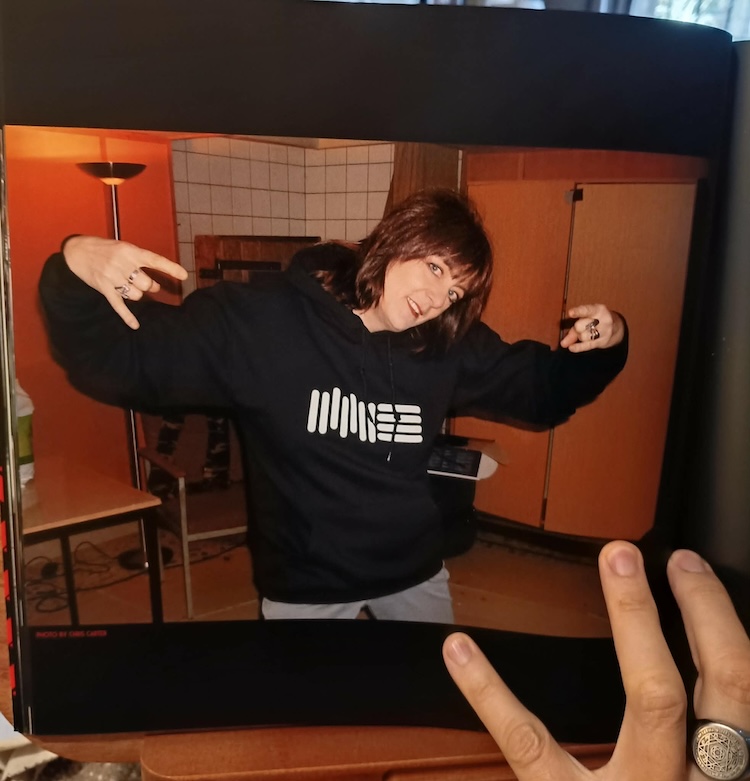
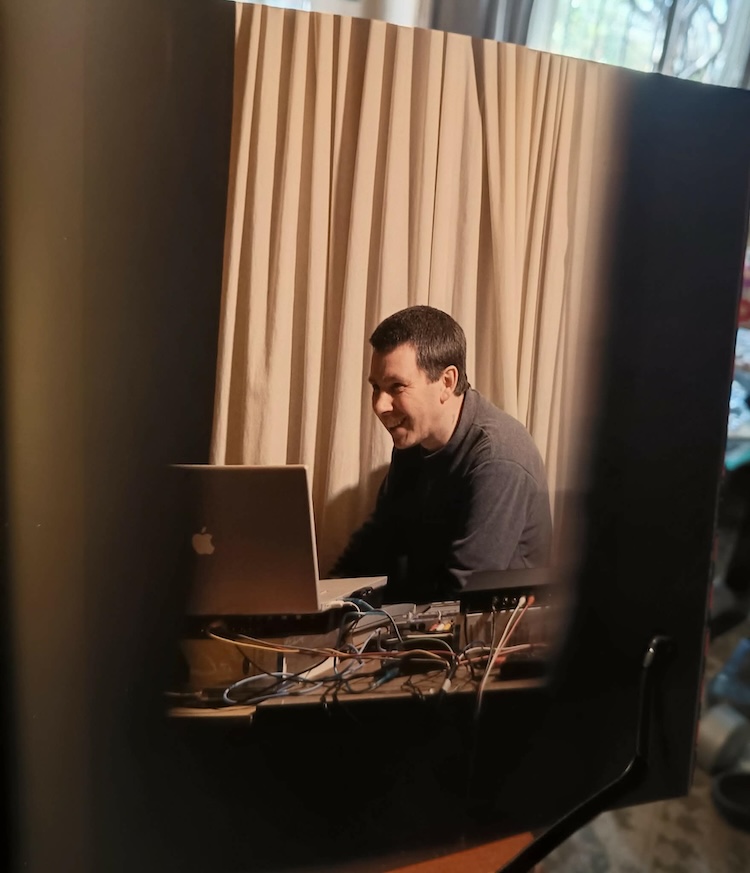
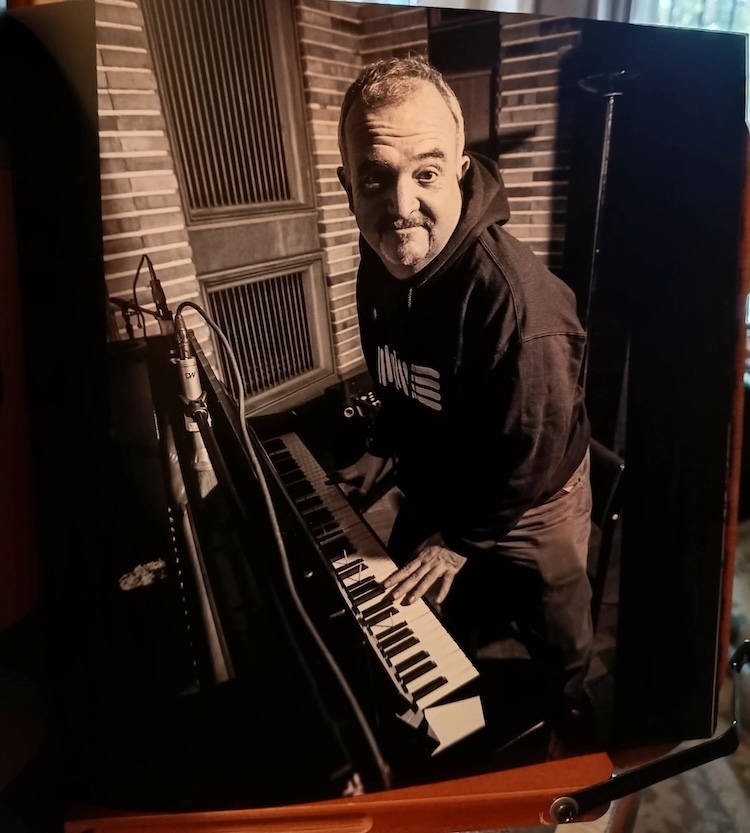
Dentro de esa maquinaria fue fundamental Chris Carter, a quien me gusta pensar como una suerte de George Harrison de Throbbing Gristle: un talento enorme, decisivo en el sonido, aunque muchas veces menos visible que Genesis P-Orridge. Carter fue central en la arquitectura electrónica del grupo y en la construcción de sistemas e instrumentos que ayudaron a definir una sonoridad completamente propia. A su lado estaba Genesis P-Orridge, figura crucial de la provocación cultural; Cosey Fanni Tutti, performer, música y artista visual de enorme importancia; y Peter “Sleazy” Christopherson, fotógrafo, diseñador, realizador y músico que más tarde alcanzaría otra dimensión artística junto a John Balance en Coil.
En TG existe, además, algo que podríamos llamar un romanticismo grotesco. Su idea del romanticismo no pasa por la belleza idealizada, sino por una inversión de valores en la que la obscenidad, el crimen, la fealdad, el deseo, la violencia, la enfermedad y la muerte pueden convertirse en materia estética. Parte de su gesto contracultural consistió precisamente en democratizar —o derechamente subvertir— los valores del arte. Aquello que la cultura consideraba vulgar, enfermizo o indigno podía pasar al centro de la obra. Sus canciones y performances se poblaron de criminales, cultos, fanatismos y figuras extremas; la fascinación por Charles Manson fue evidente, como también lo fue el interés por Jim Jones, por la criminalidad británica, por la iconografía nazi y por las grandes catástrofes del siglo XX.
Por eso Throbbing Gristle fue también, en un sentido profundo, una banda de la Guerra Fría. Sus integrantes pertenecieron a una generación que creció bajo la posibilidad real de una guerra nuclear. Ese miedo no era teórico: existían simulacros, máscaras, alarmas y una conciencia cotidiana de que una confrontación atómica podía destruirlo todo. Si a ello se suma el recuerdo todavía cercano del Holocausto, la ruina europea, el deterioro industrial y una sociedad atravesada por violencia, crimen y medios de comunicación, se entiende mejor el terreno cultural desde el cual pudo emerger una banda así.
Y, sin embargo, detrás de toda esa agresividad hay también una sensibilidad enorme. Hay melancolía, canciones de amor y momentos de delicadeza que permanecen escondidos debajo del ruido y la provocación. Muchas veces esa dimensión aparece en las atmósferas de Chris Carter, en la trompeta de Cosey Fanni Tutti, en los tratamientos de cinta de Sleazy o en la voz de Genesis. Dentro de TG nada parece estar obligado a cumplir una función fija: una corneta puede dejar de comportarse como una corneta, un sintetizador puede convertirse en maquinaria industrial, una cinta puede transformarse en memoria y el cuerpo puede adquirir la condición de instrumento.
El cuerpo, de hecho, ocupa un lugar central en toda esta historia. El desnudo, la sexualidad, el tantra, el ocultismo y los fluidos corporales fueron incorporados directamente al trabajo de Cosey Fanni Tutti. Hay allí una continuidad con las rupturas iniciadas por Marcel Duchamp, el dadaísmo o Andy Warhol, pero trasladadas a un terreno mucho más físico, sexual y confrontacional. En algún momento la pregunta deja de ser qué puede representarse en una obra de arte y pasa a ser qué cosa podría quedar realmente fuera de ella.
Hasta el nombre del grupo contiene esa intención. “Throbbing Gristle” es una expresión del argot británico vinculada al pene erecto, a la carne que palpita llena de sangre. Es decir, antes incluso de escuchar la música, el nombre ya sitúa al proyecto en un territorio corporal, obsceno, vulgar y deliberadamente ‘alternativa en su elegancia.’ Y todo eso, visto hoy a casi medio siglo de distancia, posee también una dimensión nostálgica, porque aquel mundo ya no existe. La Guerra Fría terminó, la Inglaterra industrial que produjo a TG cambió y muchas de las estrategias que alguna vez resultaron escandalosas fueron absorbidas por el arte contemporáneo, la publicidad, la moda y la cultura popular. Escuchar a Throbbing Gristle hoy es, por lo tanto, escuchar también el romanticismo de una época en que todavía parecía posible provocar verdaderamente.
CD1 — ‘Live at the Volksbühne Berlin, New Year’s Eve 2005‘
El primer disco fue grabado en la Volksbühne de Berlín el 31 de diciembre de 2005, durante la víspera de Año Nuevo. La localización importa. Estamos en el antiguo Berlín Oriental, en una ciudad que arrastra una densidad histórica enorme, y es allí donde TG vuelve a aparecer como banda.
La entrada es “Trumpet Herald”, una apertura que funciona casi como una señal ceremonial. La trompeta anuncia algo, prepara el terreno, convoca. Hay en ese gesto una solemnidad que me resulta casi wagneriana, no porque exista necesariamente una relación musical directa con Wagner, sino porque la pieza transmite una sensación de destino, gravedad y presagio. Y tal vez sea imposible separar esa sensación del hecho de estar en Berlín, una ciudad marcada por guerra, destrucción, división y reconstrucción. “Trumpet Herald” termina adquiriendo así un cierto misticismo, como si antes de entrar en el concierto fuera necesario convocar primero la memoria del lugar.
Después irrumpe “Convincing People”, y con ella aparece Chris Carter poniendo en movimiento toda la maquinaria. La base pulsa con ese ritmo tan reconocible de TG, un auténtico throbbing rhythm. La palabra tiene aquí todo su peso: no estamos hablando solamente de un corazón que late, sino del sentido obsceno inscrito en el nombre de la banda, de carne que palpita. La pieza suena extraordinariamente bien y deja en evidencia uno de los grandes méritos de esta edición: la masterización. Muchas grabaciones antiguas de Throbbing Gristle sonaban precarias por las condiciones en que fueron realizadas o por las tecnologías disponibles. Aquí, en cambio, el sonido tiene profundidad, definición, fuerza y un cuerpo que permite apreciar con mucha más claridad la arquitectura rítmica de Carter.
“Convincing People” pertenece también a ese universo de TG donde se cruzan persuasión, manipulación, violencia y control psicológico. Aunque no corresponde atribuir de manera literal la canción a Ian Brady y Myra Hindley, responsables de los Moors Murders, resulta difícil no conectar esa atmósfera con la fascinación que el grupo mantuvo por la criminalidad británica. Lo relevante no es adjudicar una referencia concreta, sino reconocer el paisaje mental: una Inglaterra oscura donde crimen, control y psicología forman parte del mismo imaginario.
Con “Splitting Sky”, una de mis piezas favoritas de «TG Now», el concierto se interna definitivamente en una zona más sombría. Es difícil, conflictiva y nocturna, y marca el momento en que cualquier sensación de introducción desaparece para dejar paso al Throbbing Gristle tardío en toda su densidad.
“Slug Bait” profundiza todavía más esa sensación. Es una pieza misteriosa, enigmática y tramposa, sostenida por un spoken word de primera factura. La voz no ocupa un lugar decorativo: forma parte central de la tensión narrativa y psicológica. Pero el verdadero procedimiento hipnótico está en la repetición. La insistencia acaba comportándose casi como un mantra, aunque lejos de cualquier función tranquilizadora. Es un mantra obsesivo, persistente, casi coercitivo. La repetición va cerrando el espacio alrededor del oyente. Incluso el título ya contiene ese carácter perverso: Slug Bait, “cebo para babosas”, algo destinado a atraer hacia una trampa.
Después llega “Rabbit Snare”, literalmente un lazo o trampa para conejos, y el juego entre atracción y captura se vuelve todavía más evidente. Para quienes hemos seguido esta última etapa de TG, el tema ya puede considerarse un clásico. Aquí comienza a brillar con especial intensidad la trompeta de Cosey Fanni Tutti, una de nuestras grandes heroínas. Su trayectoria está atravesada por la autonomía, la resistencia y una capacidad enorme para convertir su propia experiencia corporal en material artístico. En algún momento sufrió problemas de salud que le impidieron tocar, pero consiguió volver. Esa resiliencia forma parte inseparable de su historia. Y Cosey sigue trabajando, sigue editando música y continúa vinculada artística y vitalmente a Chris Carter.
“Rabbit Snare” es, además, una pieza de un romanticismo completamente deformado: morbosa, obscena, exquisita, hipnótica y nocturna. Sobre ella aparece una pregunta aparentemente elemental: “Do you love me?”. Pero en Throbbing Gristle el amor nunca llega limpio. “Si tú me amas, ¿por qué estás tan asustado?”. Y por algo será. El amor mismo puede convertirse en una trampa. Ahí aparece una tensión que podría acercarse incluso a la metafísica de Julius Evola: Eros y Tánatos, amor y odio, atracción y destrucción, deseo y amenaza, como una especie de matrimonio entre fuerzas gemelas. TG puede hacer una canción de amor, pero nunca una canción amorosa inocente.
Con “Almost a Kiss” aparece uno de los momentos más hermosos de la última etapa de la banda. Aquí se expresa con enorme intensidad el romanticismo de Genesis, del viejo —o la vieja— Gen. El propio título habla de algo que estuvo a punto de ocurrir y quedó suspendido: casi un beso, casi un encuentro, casi una reconciliación. Nosotros conocimos a Genesis; estuvimos con él y conversamos con él antes de su muerte. La impresión que me dejó fue la de una persona bastante solitaria, especialmente después de la muerte de Lady Jaye. Esta interpretación de 2005 es anterior a aquella pérdida, naturalmente, pero nuestra escucha de hoy ya no puede ser la misma.
Dentro de la pieza aparece una consigna que concentra buena parte de su drama: “One more time”. Una vez más. Lo más duro del amor es que llega un momento en que esa posibilidad deja de existir. No habrá otro beso, otra noche, otro encuentro, otra conversación. Y cuando hablo de amor no me refiero solamente a una abstracción sentimental; también hablo del amor físico, porque el cuerpo ama. Dormir con alguien, besar, tocar, reconocer su olor, hacer el amor, sentir su respiración: todo eso forma parte de la misma experiencia. El problema es que llega un momento en que ocurre la última vez y muchas veces no sabemos que lo es. Allí está la finitud de “Almost a Kiss”.
Después “Greasy Poo” desplaza el disco hacia otra zona. Es obtusa, oscura, atonal, pesadillesca y fabulosa. El título, por sí solo, ya es una declaración. No puedo evitar pensar en Divine y en Pink Flamingos de John Waters, en esa voluntad de convertir lo escatológico, lo vulgar y lo considerado de mal gusto en materia estética. No se trata de ocultar la mierda, sino de colocarla en primer plano. Ahí TG comparte algo con ese universo: detrás de la vulgaridad aparente hay una sofisticación inesperada.
Con “Endless Not” ocurre lo contrario: aparece una elegancia extraordinaria. Su cadencia me recuerda a una especie de tango postapocalíptico, oscuro, sofisticado y decadente, como si dos personas continuaran bailando cuando todo a su alrededor ya hubiera terminado. Es otra pieza que puede considerarse clásica dentro de la última etapa del grupo. Aquí TG demuestra que también puede ser elegante y sensual sin abandonar jamás la extrañeza. Es una danza sobre las ruinas.
“Vow of Silence” vuelve a convertir el sonido en espacio físico. Las bajas frecuencias adquieren tal profundidad que, escuchándolo a este volumen, mi vecino debe sentir cómo vibra toda la casa. La música deja de limitarse al oído y comienza a ocupar la arquitectura. Pero además sucede algo interesante: la pieza parece replegarse hacia su propio núcleo. Es casi atonal, como una distopía de ciencia ficción en que el caos no se expande, sino que se concentra cada vez más hacia dentro. No conduce a ningún sitio en el sentido convencional. No ofrece estribillo, clímax ni resolución. Simplemente permanece. “No vamos a ninguna parte. Esperemos».
El verdadero punto de máxima intensidad llega con “PA Destroyer”. Aquí el concierto alcanza un estado catártico y casi colectivo. Resulta fácil imaginar la carga psíquica desplazándose por la Volksbühne mientras el volumen, la repetición, las frecuencias, los cuerpos y el espacio quedan sometidos a una misma presión. En ese momento la distinción entre ruido, música, performance y ritual deja de tener demasiada importancia. Todo parece fundirse en una sola corriente energética. Para mí, éste es el clímax del primer disco.
Y entonces aparece “Hamburger Lady”, una balada noir profundamente negra, atravesada además por el humor oscuro que caracteriza a TG. Es uno de sus grandes clásicos, uno de sus greatest hits, si queremos usar esa expresión entre comillas para una banda como ésta. La inspiración es macabra: el texto proviene de una carta de Al Ackerman en la que se describía a una mujer hospitalizada con quemaduras devastadoras, comparadas con lo peor que se había visto en relación con el napalm de Vietnam. La mujer no era propiamente una víctima de aquella guerra, pero la referencia forma parte del horror que rodea la canción. TG vuelve a hacer algo que domina perfectamente: tomar algo insoportable de la realidad y trasladarlo al arte. No hace falta inventar el horror; el horror ya estaba ahí.
CD2 — «In The Shadow Of The Sun Live At The Volksbühne Berlin, New Year’s Day, 2006«
El segundo disco fue registrado el 1 de enero de 2006, en pleno invierno berlinés, apenas unas horas después del concierto anterior. Ese paso del 31 de diciembre al primer día del nuevo año funciona casi como un umbral, porque junto con cambiar la fecha cambia también el lenguaje de la banda.
«In The Shadow Of The Sun» es una pieza de larga duración, cercana a los cincuenta minutos, y supone un giro evidente respecto del CD1. El terreno es ahora más abstracto, ambiental, cinematográfico y oscuro. Por momentos se acerca mucho más al universo de CTI que a algo como Psychic TV. Se percibe con especial claridad la mano de Chris Carter y Cosey Fanni Tutti, aunque naturalmente están también Peter Christopherson y Genesis P-Orridge. Da la impresión de que Throbbing Gristle se transforma aquí en una suerte de proyecto distinto contenido dentro de sí mismo.
En este punto conviene detenerse también en CTI, Creative Technology Institute, probablemente una de las zonas menos conocidas de la producción de Chris & Cosey. Recomiendo mucho esos trabajos. Quien los escuche esperando techno encontrará otra cosa: ambient experimental, oscuro, elegante, muy elaborado y extremadamente fino, construido a partir de capas, frecuencias y texturas. Es una dimensión esencial para entender el costado más nocturno y abstracto de esta música.
Y, por supuesto, está Derek Jarman. Su importancia en la obra de estos artistas es pivotal. Su presencia no afecta solamente a Throbbing Gristle, sino también a las trayectorias que sus integrantes desarrollarían por separado: Chris & Cosey, Coil en el caso de Peter Christopherson, Psychic TV en el caso de Genesis P-Orridge y, en términos más amplios, una sensibilidad compartida en torno al cine experimental, el cuerpo, la sexualidad, la marginalidad, la política, el ocultismo y la ruptura de las fronteras entre disciplinas.
Mi relación con «In the Shadow of the Sun» tiene además una dimensión personal. Debía tener cerca de veinte años (principio de los 90s) cuando vi la película en el Instituto Chileno Británico, y me impactó enfrentarme a un cine que parecía carecer de guión, de diálogos y de una narración tradicional. Todo era surrealista, onírico, flotante. En aquel momento todavía no conocía verdaderamente a Kenneth Anger, otra figura fundamental dentro de esa constelación de cine ritual y transgresor. Tampoco conocía cabalmente la obra de Alejandro Jodorowsky, nacido en mi propia tierra; apenas había visto algún VHS mal grabado, copias parciales que circulaban de mano en mano.
Con Jarman entendí de manera muy directa que una imagen puede transmitir algo sin necesidad de pasar por el lenguaje verbal. Y eso es precisamente lo que sucede aquí con el sonido. Throbbing Gristle no parece acompañar la película de un modo convencional, sino construir un segundo nivel de percepción. La imagen sigue su propio camino y el sonido también, y del cruce entre ambos aparece una tercera experiencia.
Mientras escucho esta pieza me ocurre además algo cercano al déjà vu. A ratos tengo la impresión de que esto ya fue escrito por quien habla en algún universo paralelo. Y de alguna manera esa sensación no desentona con la obra: la música suspende el tiempo, activa recuerdos y asociaciones, y produce estados que parecen existir antes incluso de que podamos nombrarlos.
CD3 — «In The Shadow Of The Sun Rehearsal«
El tercer disco vuelve sobre el mismo trabajo del CD2, pero desde un ángulo completamente distinto: aquí escuchamos el ensayo, cuya duración es de aproximadamente 49 minutos y 12 segundos. Esa decisión le da al box un valor documental enorme, porque permite oír no solamente el resultado, sino también el proceso.
Para quien ha seguido la trayectoria de TG, resulta fascinante escuchar cómo se organizan las capas, cómo surgen las texturas y cómo se prueban tensiones y frecuencias antes de llegar a la interpretación pública. El CD2 presenta la pieza enfrentada a las imágenes de Derek Jarman y al espacio de la Volksbühne; el CD3 nos deja entrar al taller y acercarnos a la gestación del paisaje sonoro.
Es aquí donde se vuelve especialmente evidente algo que me llama mucho la atención en la última encarnación de Throbbing Gristle: el nivel de misticismo que alcanzó la banda. Es como si hubiera recorrido una distancia enorme desde aquella rudeza protoindustrial, urbana y mecánica de sus primeros años hasta llegar a una especie de misticismo Bön tibetano, por decirlo de alguna manera. No estoy hablando de una referencia literal al Bön, sino de una sensación: la música se vuelve ritual, circular, concentrada, más interesada en penetrar hacia adentro que en golpear hacia afuera.
La máquina continúa presente, pero parece haber cambiado de propósito. Aquello que antes podía simbolizar fábrica, contaminación, interferencia y violencia urbana empieza ahora a funcionar como instrumento de trance. Las frecuencias se extienden, las texturas se vuelven contemplativas y el ruido ya no es solamente ruptura, sino una forma de inmersión. El recorrido va del industrialismo primitivo al ritual, de la fábrica al templo, del ruido como provocación al sonido entendido como estado de conciencia.
CD4 — «TG Berlin Studio Session (2005–2006)»
Con el cuarto disco entramos finalmente en el estudio. Después del peso escénico del primer CD y del largo tránsito audiovisual de «In The Shadow Of The Sun», aparece otra intimidad: Throbbing Gristle encerrado con sus máquinas, sus frecuencias, sus pulsos y sus obsesiones. Y, mientras escucho este disco, surge inevitablemente una pregunta: ¿por qué me metí en esta situación? Bueno, es una pregunta que me vengo haciendo hace varias décadas.
En estas sesiones ya está presente el Throbbing Gristle maduro de su última encarnación, un sonido que más adelante encontraremos desarrollado en trabajos como Part Two: «The Endless Not», «Desertshore Installation» o «The Third Mind Movements». Ya no se trata del mismo grupo que en los años setenta necesitaba golpear y provocar permanentemente. Esa violencia no desapareció, pero fue procesada por décadas de experiencia. La improvisación se vuelve más paciente, la electrónica gana profundidad espacial y el ruido adquiere otra densidad.
El misticismo del que hablábamos en el CD3 reaparece aquí con todavía mayor claridad. Después de la descarga y la catarsis vino una calma, aunque no una calma confortable. Es más bien una serenidad oscura construida después de décadas de experiencias artísticas, sexuales, vitales y espirituales.
El acercamiento de Genesis P-Orridge a distintas religiones y filosofías orientales forma parte de esa transformación. Su interés por el tantra, la disolución de la identidad, el cuerpo y diversas prácticas espirituales terminó entrando inevitablemente en su comprensión del arte. En el caso de Peter “Sleazy” Christopherson, tampoco puede separarse esta historia de la propia existencia de Coil.
Y aquí regresamos nuevamente a Burroughs y Gysin. Aquella influencia inicial del cut-up, de la ruptura del lenguaje, de los estados alterados y del arte entendido como instrumento de transformación termina derivando con los años en un sincretismo mucho más complejo. El ocultismo occidental se encuentra con distintas formas de misticismo oriental: Crowley, la magia, el ritual, el tantra, el budismo, las experiencias asiáticas, la disolución del yo. En Genesis aparece de una manera y en Sleazy, a través de Coil y posteriormente de su vida en Tailandia, de otra, pero todo termina filtrándose hacia el sonido.
Por eso en el último TG conviven máquina y mantra, electrónica y ritual, ruido y contemplación. La antigua fábrica inglesa parece haberse convertido lentamente en una suerte de templo electrónico.
Entonces llega “Scabs & Saws”, parte del último single de Throbbing Gristle. Desde el principio escucho allí algo profundamente berlinés: una aspereza metálica, una sensación urbana y material que inevitablemente me recordó a Einstürzende Neubauten, aunque el enfoque de TG sea bastante más electrónico. No se trata de una imitación, sino de una afinidad de paisaje: Berlín, metal, ruina, arquitectura y maquinaria convertidos en sonido.
La vocalización de Genesis es desgarradora y brutal. Y ahí ocurre algo particularmente interesante: después de hablar de contemplación, misticismo, serenidad y madurez, el último single se encarga de devolvernos a la rudeza inicial. Mientras escribo esto, “Scabs & Saws” está sonando de fondo. Mi cuerpo se mueve y palpita, y tratándose de TG esa palabra vuelve a tener todo su doble significado: throbbing no es solamente un pulso musical ni un corazón, sino también carne, irrigación, excitación y cuerpo convertido en frecuencia.
Cuando pensábamos que Throbbing Gristle era una banda más madura, efectivamente lo era; cuando pensábamos que estaba más vieja y más calma, también era verdad. La sorpresa es que esa madurez nunca significó domesticación. TG todavía podía recuperar la violencia.
Con “Wotwududo”, el lado B del último single, esa vuelta al origen queda todavía más clara. El sonido rudo nos devuelve a una violencia fundacional que creíamos reservada a la juventud del grupo, como si perteneciera a un impulso primario que ya había quedado atrás. Pero ése es precisamente el juego de ellos. Después de años de trance, ambient oscuro, refinamiento, contemplación y misticismo, encuentran la forma de arrastrarnos otra vez al punto de partida. Creíamos haber salido de ese lugar, pero no. La pesadilla continúa.
Tal vez no podía existir un final más apropiado para Throbbing Gristle. Después de estas sesiones y de este último single, el legado estaba hecho. No había nada más que demostrar. Habían contribuido de manera decisiva al lenguaje de la música industrial, habían contaminado la electrónica, el noise, el ambient, la performance y buena parte de la experimentación posterior. A partir de allí quedaba el legado.
Cierre — Estuvimos ahí
Después de más de treinta años escuchando a Throbbing Gristle, esta curatoría termina obligándome a volver a mis propios comienzos. A fines de los años ochenta conseguir música de TG en Chile era extremadamente difícil. No había internet y muchas veces todo dependía de conocer a alguien mayor que tuviera alguna cinta, un vinilo importado o una grabación que se pudiera copiar. Mi primer acercamiento ocurrió precisamente así: mediante un casete regrabado, una pequeña cinta conseguida a través de amigos (como Sergio Riquelme) que tenían acceso a músicas que entonces parecían casi imposibles de encontrar.
Según recuerdo, Hugo Chávez Smith fue uno de los primeros que comenzó a traer a Chile discos compactos y vinilos de Throbbing Gristle. Tengo además con Hugo una anécdota que todavía guardo con cariño. Javier Chandía Kremer me invitó a ir hasta allá y, antes de abrir oficialmente su tienda, Hugo me hizo pasar. Vi un disco de TG dentro de una maleta y, naturalmente, lo miré con la ansiedad que teníamos quienes buscábamos esas cosas cuando todavía eran objetos casi inalcanzables. Hugo simplemente me dijo: “Llévatelo, no hay problema».
Puede parecer algo menor, pero muchas trayectorias se construyen precisamente a partir de gestos de ese tipo. Desde Throbbing Gristle se abrió para mí un camino que terminó llevando hacia Coil, Psychic TV, Chris & Cosey, CTI y todas las ramificaciones posteriores. Y no se trató únicamente de música. El recorrido se fue mezclando con la literatura, el cine experimental, la contracultura y el ocultismo occidental, del cual terminé siendo practicante y seguidor. Con los años, todo ello derivó también en un coleccionismo que continúa hasta hoy: cada reedición, cada remezcla, cada rareza nueva que aparece, de una manera u otra termina llegando a mis manos.
Lo que empezó con una cinta mal grabada terminó convirtiéndose en décadas de escucha. Y, finalmente, muchos años después, llegué al lugar físico donde una parte de esta historia había ocurrido.
En diciembre de 2025, en pleno invierno berlinés, llegué a la Volksbühne. Llegué tarde, pero llegué. A esas alturas Throbbing Gristle ya no existía; Peter “Sleazy” Christopherson y Genesis P-Orridge habían muerto y aquella formación de cuatro personas que había producido uno de los sonidos más extraños, incómodos e influyentes de la segunda mitad del siglo XX pertenecía definitivamente al pasado.
La Volksbühne, el ‘Teatro de la Gente’ -en la Plaza Rosa Luxemburgo- en cambio, seguía ahí. Y Berlín se me presentó como una ciudad profundamente fantasmagórica. Tal vez Berlín sea inevitablemente una ciudad habitada por fantasmas. Basta recorrerla para sentir las capas que dejó el siglo XX: el nazismo, la guerra, la destrucción, la división de la ciudad, el Muro, Berlín Oriental, la Guerra Fría y, finalmente, la reunificación. A relativamente poca distancia de la Volksbühne estuvo también el búnker donde Adolf Hitler pasó sus últimos días. Hoy casi no queda nada visible de ese lugar, pero la ausencia también puede comportarse como una presencia.
Berlín está llena de lugares donde algo ocurrió y ya no está, de edificios que permanecen mientras las personas desaparecen, de calles recorridas por millones de vidas de las que hoy quedan fotografías, documentos, sonidos y recuerdos. Entre todos esos espectros habita también uno mucho más pequeño dentro de la historia de la ciudad, pero fundamental para quienes hemos seguido esta música: el fantasma de Throbbing Gristle.
Porque TG también dejó allí una huella. En la Volksbühne, durante el invierno de 2005–2006, Chris Carter, Cosey Fanni Tutti, Genesis P-Orridge y Peter “Sleazy” Christopherson volvieron a reunirse, tocaron, improvisaron, registraron sonidos y documentaron una de las últimas encarnaciones de aquella criatura que habían puesto en movimiento tres décadas antes.
Veinte años después llegué yo y me fotografié frente al teatro. No había concierto, ellos ya no estaban y aquel Berlín tampoco existía de la misma manera, pero el lugar seguía en pie. Primero estuvo la cinta regrabada; después vinieron los discos, Coil, Psychic TV, Chris & Cosey, CTI, los libros, el cine, el ocultismo, las colecciones, las rarezas y las reediciones. Y, décadas después, apareció finalmente Berlín.
Llegué tarde, pero llegué. Estuve ahí, frente a un teatro cargado de fantasmas, dentro de una ciudad cargada también de los suyos.
Quiero cerrar agradeciendo nuevamente a Kali Yuga Distro (KYD) por haberme regalado este maravilloso box set y a todos quienes, de una forma u otra, formaron parte de este recorrido. Tal vez la función final de esta curatoría sea simplemente ésa: dejar registro de una banda, de una época, de amigos que abrieron puertas, de discos que circularon de mano en mano cuando encontrarlos todavía era una aventura, y de músicas que terminaron conduciendo hacia otras músicas, hacia libros, películas, prácticas, obsesiones y maneras de entender el arte.
Que quede constancia de que esto existió, que ocurrió y que todo fue real. Como diría alguien por ahí: “Es verdad. Todo fue real.”
Nos vimos. Estuvimos ahí. Y entre todas las huellas que quedaron en Berlín, quedó también la de ellos y, mucho después, la nuestra.
Curated and reviewed by Jan Klaus
This box set came into my hands thanks to Kali Yuga Distro (KYD), and I want to start right there. TG Berlin is not just any edition, nor is it one of those reissues you buy, listen to, and then put away on a shelf. It’s an expensive item—it costs an arm and a leg—limited and numbered to only 1,000 copies, and that’s why I’m especially grateful to KYD for gifting it to me. The set includes four CDs, a 10-inch vinyl record with Throbbing Gristle’s latest single, a Blu-ray with Dolby Atmos, and a 100-page book that includes exclusive photographs, liner notes, and all the graphic design work for the release. The material was recorded in Berlin during the winter of 2005–2006, and from the cover itself, featuring the Endless Knot, an idea is established that will run throughout this entire work: here, the past and present intersect, twist, and ultimately form a single knot.
To understand why this box set is important, we must first return to the conditions that made Throbbing Gristle’s emergence possible. The group arose in a culturally turbulent Britain in the mid-to-late 1970s, in a context where some music was beginning to react against the grandiosity, virtuosity, and solemnity of certain progressive rock. If Rock in Opposition already existed, poised to challenge the conventions of progressive rock itself, TG seemed to want to go even further and become, in a way, an experimental music that opposed even what had already been accepted as «experimental.»
Their cultural origins were unusual. They didn’t come from London glamour or a European artistic aristocracy, but from a much more peripheral, industrial, and degraded world, marked by cities with high levels of unemployment and social decay. They had a deliberate inclination towards the grotesque, the obscene, the cheap, the marginal, and extreme performance art. This almost outcast position, outside the elite art world and the major circuits of legitimation, ended up being an advantage. They didn’t need to ask permission from the conservatory, the academy, or the institutions in charge of deciding what was music and what wasn’t.
At that point, the Do It Yourself ethos became essential, later becoming one of the great slogans of punk. The lack of conventional musical training could even function as a kind of purity—in quotes—because they weren’t obligated to respect what was supposed to be done with an instrument, a synthesizer, a tape, or a machine. Ignorance could operate as a method, error as a language, and noise as a material as legitimate as any melody. The question TG posed wasn’t simply how to make other music, but who had the right to produce it, from what perspectives, and under what criteria music could continue to be defined.
None of this appeared out of thin air. Behind Throbbing Gristle circulated a vast amount of information: literature, theory, film, conceptual art, pornography, performance art, technology, tabloid press, occultism, field recordings, magnetic tapes, and electronics. Among the most important references were William S. Burroughs and Brion Gysin, especially through the cut-up technique: cutting, fragmenting, and recombining texts, images, voices, and recordings to produce new associations. Applied to sound, this technique could be transformed into repetitions, interference, tapes, found voices, and fragments of reality reorganized until they no longer resembled their original source.
To this constellation we must add J. G. Ballard, perhaps one of the writers who best expressed the post-industrial and apocalyptic landscape of that England: highways, concrete, sexuality, accidents, isolation, violence, and technology transformed into a mental landscape. Later on, affinities can also be traced with authors like Peter Lamborn Wilson, within a broader countercultural, libertarian, and occult sensibility. The aim here is not to construct an exhaustive genealogy, but rather to show some of the forces that made Throbbing Gristle’s emergence possible: Burroughs, Gysin, Ballard, cut-up photography, experimental cinema, industrial decay, punk, performance art, and a new relationship with electronics.
In this last area, Kraftwerk inevitably appears. The German group’s early electronic albums demonstrated that it was possible to build popular music from machines, displacing the centrality of the guitar, drums, and the usual structures of rock. But while Kraftwerk found precision, geometry, modernity, and an almost pristine vision of the future, Throbbing Gristle could find dirt, threat, interference, and decay. For Throbbing Gristle, electronics didn’t necessarily have to represent an orderly future;
it could also represent in an abandoned factory, an altered body, a faulty transmission, or a city beginning to decay.
Within that machinery, Chris Carter was fundamental, whom I like to think of as a kind of George Harrison of Throbbing Gristle: an enormous talent, decisive in the sound, although often less visible than Genesis P-Orridge. Carter was central to the group’s electronic architecture and in the construction of systems and instruments that helped define a completely unique sound. Alongside him were Genesis P-Orridge, a crucial figure in cultural provocation; Cosey Fanni Tutti, a performer, musician, and visual artist of enormous importance; and Peter “Sleazy” Christopherson, photographer, designer, filmmaker, and musician who would later reach another artistic dimension alongside John Balance in Coil.
In TG, there is also something we could call a grotesque romanticism. Their idea of romanticism wasn’t about idealized beauty, but rather an inversion of values in which obscenity, crime, ugliness, desire, violence, illness, and death could become aesthetic material. Part of their countercultural gesture consisted precisely in democratizing—or outright subverting—the values of art. That which culture considered vulgar, morbid, or undignified could become the central focus of the work. Their songs and performances were populated by criminals, cults, fanaticism, and extreme figures; their fascination with Charles Manson was evident, as was their interest in Jim Jones, British crime, Nazi iconography, and the great catastrophes of the 20th century.
For this reason, Throbbing Gristle was also, in a profound sense, a Cold War band. Its members belonged to a generation that grew up under the very real possibility of nuclear war. That fear wasn’t theoretical: there were drills, masks, alarms, and a daily awareness that an atomic confrontation could destroy everything. Add to that the still-fresh memory of the Holocaust, the ruin of Europe, industrial decline, and a society riddled with violence, crime, and the media, and you can better understand the cultural terrain from which such a band could emerge.
And yet, behind all that aggression, there is also enormous sensitivity. There is melancholy, love songs, and moments of tenderness that remain hidden beneath the noise and provocation. This dimension often appears in Chris Carter’s atmospheres, in Cosey Fanni Tutti’s trumpet, in Sleazy’s tape treatments, or in Genesis’s vocals. Within TG, nothing seems obligated to fulfill a fixed function: a cornet can cease to behave like a cornet, a synthesizer can become industrial machinery, a tape can transform into memory, and the body can acquire the status of an instrument.
The body, in fact, occupies a central place in this whole story. Nudity, sexuality, tantra, the occult, and bodily fluids were directly incorporated into the work of Cosey Fanni Tutti. There is a continuity there with the ruptures initiated by Marcel Duchamp, Dadaism, and Andy Warhol, but transposed to a much more physical, sexual, and confrontational terrain. At some point, the question ceases to be what can be represented in a work of art and becomes what could truly be excluded from it.
Even the group’s name contains this intention. ‘Throbbing Gristle’ is a British slang expression linked to the erect penis, to flesh throbbing with blood. That is to say, even before listening to the music, the name already situates the project in a corporeal, obscene, vulgar, and deliberately ‘alternative in its elegance’ territory. And all of this, seen today almost half a century later, also possesses a nostalgic dimension, because that world no longer exists. The Cold War ended, the industrial England that produced Throbbing Gristle changed, and many of the strategies that were once considered scandalous were absorbed by contemporary art, advertising, fashion, and popular culture. Listening to Throbbing Gristle today is, therefore, also listening to the romanticism of an era when it still seemed possible to truly provoke.
CD1 — ‘Live at the Volksbühne Berlin, New Year’s Eve 2005’
The first disc was recorded at the Volksbühne in Berlin on December 31, 2005, New Year’s Eve. The location matters. We are in the former East Berlin, in a city that carries an enormous historical weight, and it is there that Throbbing Gristle reappears as a band.
The opening track is ‘Trumpet Herald,’ an opening that functions almost as a ceremonial signal. The trumpet announces something, prepares the ground, summons. There is a solemnity in that gesture that strikes me as almost Wagnerian, not necessarily because there is a direct musical connection to Wagner, but because the piece conveys a sense of destiny, gravity, and foreboding.
And perhaps it is It’s impossible to separate that feeling from being in Berlin, a city marked by war, destruction, division, and reconstruction. ‘Trumpet Herald’ thus acquires a certain mysticism, as if before entering the concert it were necessary to first summon the memory of the place.
Then ‘Convincing People’ bursts in, and with it, Chris Carter appears, setting the whole machine in motion. The rhythm section pulses with that instantly recognizable TG beat, a true throbbing rhythm. The word carries its full weight here: we’re not just talking about a beating heart, but about the obscene meaning inscribed in the band’s name, about throbbing flesh. The track sounds extraordinarily good and highlights one of the great merits of this edition: the mastering. Many old Throbbing Gristle recordings sounded poor due to the conditions under which they were made or the available technology. Here, however, the sound has depth, definition, power, and a body that allows Carter’s rhythmic architecture to be appreciated much more clearly.
‘Convincing People’ also belongs to that TG universe where persuasion, manipulation, violence, and psychological control intersect. While it’s not accurate to literally attribute the song to Ian Brady and Myra Hindley, the masterminds behind the Moors Murders, it’s difficult not to connect that atmosphere with the band’s fascination with British crime. The relevant point isn’t assigning a specific reference, but rather recognizing the mental landscape: a dark England where crime, control, and psychology are part of the same imaginary world.
With ‘Splitting Sky,’ one of my favorite tracks from TG Now, the concert definitively enters a darker zone. It’s challenging, conflicted, and nocturnal, marking the moment when any sense of introduction vanishes, giving way to the full density of late Throbbing Gristle.
‘Slug Bait’ deepens that feeling even further. It’s a mysterious, enigmatic, and deceptive piece, sustained by top-notch spoken word. The voice isn’t merely decorative: it’s central to the narrative and psychological tension. But the truly hypnotic effect lies in the repetition. The insistence ends up behaving almost like a mantra, though far from any calming function. It’s an obsessive, persistent, almost coercive mantra. The repetition closes in the space around the listener. Even the title already contains that perverse character: Slug Bait, something designed to lure into a trap.
Then comes ‘Rabbit Snare,’ literally a snare or trap for rabbits, and the interplay between attraction and capture becomes even more evident. For those of us who have followed this latest phase of TG, the track can already be considered a classic. Here, Cosey Fanni Tutti’s trumpet begins to shine with particular intensity, one of our great heroines. Her career is marked by autonomy, resilience, and an enormous capacity to transform her own bodily experience into artistic material. At one point, she suffered health problems that prevented her from playing, but she managed to return. That resilience is an inseparable part of her story. And Cosey continues working, continues releasing music, and remains artistically and personally linked to Chris Carter.
‘Rabbit Snare’ is also a piece of completely distorted romanticism: morbid, obscene, exquisite, hypnotic, and nocturnal. It poses a seemingly elementary question: ‘Do you love me?’ But in Throbbing Gristle, love never comes clean. ‘If you love me, why are you so scared?’ And there must be a reason. Love itself can become a trap. A tension emerges that could even approach the metaphysics of Julius Evola: Eros and Thanatos, love and hate, attraction and destruction, desire and threat, like a kind of marriage between twin forces. TG can write a love song, but never an innocent one.
With ‘Almost a Kiss’ comes one of the most beautiful moments of the band’s later period. Here, the romanticism of Genesis, of the old—or the old—Genesis, is expressed with enormous intensity. The title itself speaks of something that was about to happen and was left hanging: almost a kiss, almost an encounter, almost a reconciliation. We knew Genesis; We were with him and spoke with him before his death. The impression he left on me was that of a rather solitary person, especially after Lady Jaye’s death. This 2005 performance predates that loss, naturally, but our listening experience today can no longer be the same.
Within the piece appears a slogan that encapsulates much of its drama: ‘One more time.’ Once more. The hardest thing about love is that there comes a moment when that possibility ceases to exist. There will be no other kiss, no other night, no other encounter, no other conversation.
And when I speak of love, I’m not referring only to an abstract feeling. I’m also talking about physical love, because the body loves. Sleeping with someone, kissing, touching, recognizing their scent, making love, feeling their breath: all of that is part of the same experience. The problem is that there comes a moment when it happens for the last time, and often we don’t realize it. That’s where the finitude of ‘Almost a Kiss’ lies.
Then ‘Greasy Poo’ shifts the album to another realm. It’s obtuse, dark, atonal, nightmarish, and fabulous. The title alone is a statement. I can’t help but think of Divine and John Waters’ Pink Flamingos, of that desire to transform the scatological, the vulgar, and what’s considered tasteless into aesthetic material. It’s not about hiding the shit, but about putting it front and center. There, TG shares something with that universe: behind the apparent vulgarity lies an unexpected sophistication.
With ‘Endless Not,’ the opposite occurs: an extraordinary elegance emerges. Its cadence reminds me of a kind of post-apocalyptic tango—dark, sophisticated, and decadent—as if two people were still dancing when everything around them had already ended. It’s another piece that can be considered a classic within the band’s later period. Here, TG demonstrates that it can also be elegant and sensual without ever abandoning its strangeness. It’s a dance on the ruins.
‘Vow of Silence’ once again transforms sound into physical space. The low frequencies acquire such depth that, listening to it at this volume, my neighbor must feel the whole house vibrating. The music ceases to be confined to the ear and begins to occupy the architecture. But something else interesting happens: the piece seems to fold back on itself. It’s almost atonal, like a science fiction dystopia in which chaos doesn’t expand, but rather concentrates ever more inward. It doesn’t lead anywhere in the conventional sense. It offers no chorus, climax, or resolution. It simply remains. “We’re not going anywhere. Let’s wait.”
The true point of maximum intensity arrives with ‘PA Destroyer.’ Here the concert reaches a cathartic and almost collective state. It’s easy to imagine the psychic charge shifting through the Volksbühne as the volume, the repetition, the frequencies, the bodies, and the space are all subjected to the same pressure. At that moment, the distinction between noise, music, performance, and ritual ceases to matter much. Everything seems to merge into a single energetic current. For me, this is the climax of the first album.
And then comes ‘Hamburger Lady,’ a profoundly dark noir ballad, also infused with the dark humor that characterizes TG. It’s one of their great classics, one of their greatest hits, if we want to use that expression in quotation marks for a band like this. The inspiration is macabre: the lyrics come from a letter by Al Ackerman describing a woman hospitalized with devastating burns, compared to the worst seen in relation to napalm in Vietnam. The woman wasn’t exactly a victim of that war, but the reference is part of the horror that surrounds the song. TG once again does what they do best: take something unbearable from reality and translate it into art. There’s no need to invent the horror; the horror was already there.
CD2 — ‘In The Shadow Of The Sun Live At The Volksbühne Berlin, New Year’s Day, 2006’
The second disc was recorded on January 1, 2006, in the heart of the Berlin winter, just hours after the previous concert. This transition from December 31st to the first day of the new year functions almost as a threshold, because along with the change of date, the band’s language also shifts.
‘In The Shadow Of The Sun’ is a long piece, close to fifty minutes, and represents a clear departure from CD1. The sound is now more abstract, ambient, cinematic, and dark. At times, it’s much closer to the world of CTI than to something like Psychic TV. The influence of Chris Carter and Cosey Fanni Tutti is particularly evident, although Peter Christopherson and Genesis P-Orridge are also present, of course. It gives the impression that Throbbing Gristle transforms here into a kind of distinct project contained within itself.
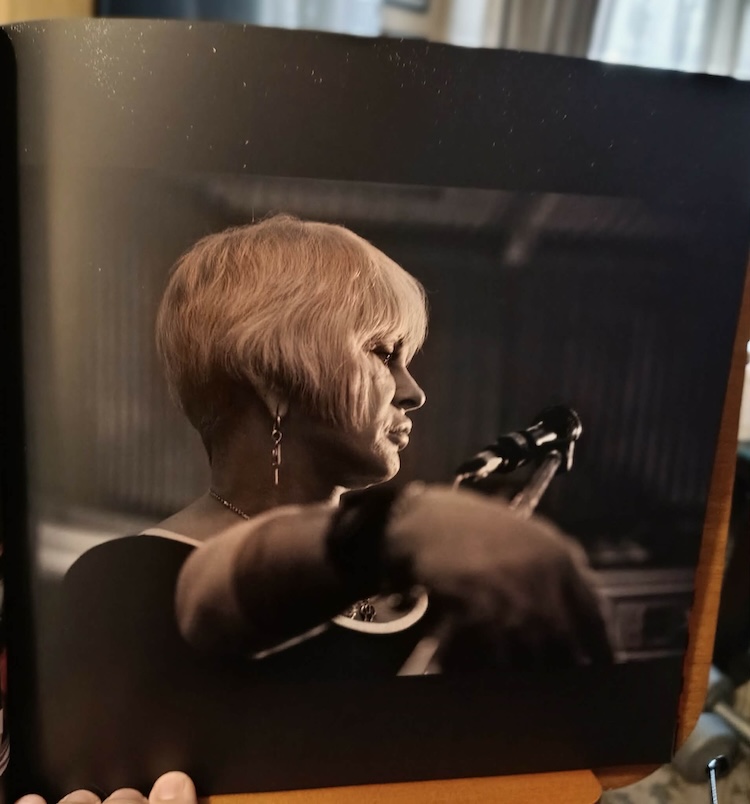
At this point, it’s also worth pausing to consider CTI, Creative Technology Institute, probably one of the lesser-known areas of Chris & Cosey’s output. I highly recommend these works. Anyone listening expecting techno will find something else entirely: experimental ambient, dark, elegant, highly elaborate, and extremely refined, built from layers, frequencies, and textures. It’s an essential dimension for understanding the more nocturnal and abstract side of this music. I’m also talking about physical love, because the body loves. Sleeping with someone, kissing, touching, recognizing their scent, making love, feeling their breath: all of that is part of the same experience. The problem is that there comes a moment when it happens for the last time, and often we don’t realize it. That’s where the finitude of ‘Almost a Kiss’ lies.
Then ‘Greasy Poo’ shifts the album to another realm. It’s obtuse, dark, atonal, nightmarish, and fabulous. The title alone is a statement. I can’t help but think of Divine and John Waters’ ‘Pink Flamingos,’ of that desire to transform the scatological, the vulgar, and what’s considered tasteless into aesthetic material. It’s not about hiding the shit, but about putting it front and center. There, TG shares something with that universe: behind the apparent vulgarity lies an unexpected sophistication.
With ‘Endless Not,’ the opposite occurs: an extraordinary elegance emerges. Its cadence reminds me of a kind of post-apocalyptic tango—dark, sophisticated, and decadent—as if two people were still dancing when everything around them had already ended. It’s another piece that can be considered a classic within the band’s later period. Here, TG demonstrates that it can also be elegant and sensual without ever abandoning its strangeness. It’s a dance on the ruins.
‘Vow of Silence’ once again transforms sound into physical space. The low frequencies acquire such depth that, listening to it at this volume, my neighbor must feel the whole house vibrating. The music ceases to be confined to the ear and begins to occupy the architecture. But something else interesting happens: the piece seems to fold back on itself. It’s almost atonal, like a science fiction dystopia in which chaos doesn’t expand, but rather concentrates ever more inward. It doesn’t lead anywhere in the conventional sense. It offers no chorus, climax, or resolution. It simply remains. “We’re not going anywhere. Let’s wait.”
The true point of maximum intensity arrives with ‘PA Destroyer.’ Here the concert reaches a cathartic and almost collective state. It’s easy to imagine the psychic charge shifting through the Volksbühne as the volume, the repetition, the frequencies, the bodies, and the space are all subjected to the same pressure. At that moment, the distinction between noise, music, performance, and ritual ceases to matter much. Everything seems to merge into a single energetic current. For me, this is the climax of the first album.
And then comes ‘Hamburger Lady,’ a profoundly dark noir ballad, also infused with the dark humor that characterizes TG. It’s one of their great classics, one of their greatest hits, if we want to use that expression in quotation marks for a band like this. The inspiration is macabre: the lyrics come from a letter by Al Ackerman describing a woman hospitalized with devastating burns, compared to the worst seen in relation to napalm in Vietnam. The woman wasn’t exactly a victim of that war, but the reference is part of the horror that surrounds the song. TG once again does what they do best: take something unbearable from reality and translate it into art. There’s no need to invent the horror; the horror was already there.
CD2 — ‘In The Shadow Of The Sun Live At The Volksbühne Berlin, New Year’s Day, 2006’
The second disc was recorded on January 1, 2006, in the heart of the Berlin winter, just hours after the previous concert. This transition from December 31st to the first day of the new year functions almost as a threshold, because along with the change of date, the band’s language also shifts.
‘In The Shadow Of The Sun’ is a long piece, close to fifty minutes, and represents a clear departure from CD1. The sound is now more abstract, ambient, cinematic, and dark. At times, it’s much closer to the world of CTI than to something like Psychic TV. The influence of Chris Carter and Cosey Fanni Tutti is particularly evident, although Peter Christopherson and Genesis P-Orridge are also present, of course. It gives the impression that Throbbing Gristle transforms here into a kind of distinct project contained within itself.
At this point, it’s also worth pausing to consider CTI, Creative Technology Institute, probably one of the lesser-known areas of Chris & Cosey’s output. I highly recommend these works. Anyone listening expecting techno will find something else entirely: experimental ambient, dark, elegant, highly elaborate, and extremely refined, built from layers, frequencies, and textures. It’s an essential dimension for understanding the more nocturnal and abstract side of this music.
And, of course, there’s Derek Jarman. His importance in the work of these artists is pivotal. His presence not only affects Throbbing Gristle but also the trajectories its members would develop separately: Chris & Cosey, Coil in the case of Peter Christopherson, Psychic TV in the case of Genesis P-Orridge and, more broadly, a shared sensibility surrounding experimental cinema, the body, sexuality, marginality, politics, the occult, and the blurring of boundaries between disciplines.
My relationship with ‘In the Shadow of the Sun’ also has a personal dimension. I must have been around twenty years old (the early 90s) when I saw the film at the Chilean-British Institute, and I was struck by encountering a cinema that seemed to lack a script, dialogue, and traditional narrative. Everything was surreal, dreamlike, ethereal. At that time, I didn’t yet truly know Kenneth Anger, another key figure within that constellation of ritualistic and transgressive cinema. Nor was I fully familiar with the work of Alejandro Jodorowsky, born in my own country; I had barely seen some poorly recorded VHS tapes, partial copies circulating from hand to hand.
With Jarman, I understood very directly that an image can convey something without needing to go through verbal language. And that is precisely what happens here with sound. Throbbing Gristle doesn’t seem to accompany the film in a conventional way, but rather constructs a second level of perception. The image follows its own path, and so does the sound, and from the intersection of the two, a third experience emerges.
While listening to this piece, I also experience something akin to déjà vu. At times, I have the impression that this was already written by the speaker in some parallel universe. And somehow, that feeling doesn’t clash with the work: the music suspends time, activates memories and associations, and produces states that seem to exist even before we can name them.
CD3 — ‘In The Shadow Of The Sun Rehearsal’
The third disc revisits the same work as CD2, but from a completely different angle: here we hear the rehearsal, which lasts approximately 49 minutes and 12 seconds. This decision gives the box set enormous documentary value, because it allows us to hear not only the result, but also the process.
For those who have followed Throbbing Gristle’s trajectory, it’s fascinating to hear how the layers are organized, how the textures emerge, and how tensions and frequencies are tested before reaching the public performance. CD2 presents the piece juxtaposed with Derek Jarman’s images and the space of the Volksbühne; CD3 lets us into the workshop and allows us to witness the gestation of the soundscape.
It is here that something that has particularly caught my attention in Throbbing Gristle’s latest incarnation becomes especially evident: the level of mysticism the band has reached. It’s as if they have traveled an enormous distance from that proto-industrial, urban, and mechanical rawness of their early years to arrive at a kind of Tibetan Bön mysticism, so to speak. I’m not talking about a literal reference to Bön, but rather a feeling: the music becomes ritualistic, circular, concentrated, more interested in penetrating inward than striking outward.
The machine is still present, but it seems to have changed its purpose. What once symbolized factory, pollution, interference, and urban violence now begins to function as an instrument of trance. Frequencies expand, textures become contemplative, and noise is no longer merely disruption, but a form of immersion. The journey goes from primitive industrialism to ritual, from factory to temple, from noise as provocation to sound understood as a state of consciousness.
CD4 — ‘TG Berlin Studio Session (2005–2006)’
With the fourth album, we finally enter the studio. After the stage presence of the first CD and the long audiovisual journey of ‘In The Shadow Of The Sun,’ another intimacy emerges: Throbbing Gristle locked away with his machines, his frequencies, his pulses, and his obsessions. And, while listening to this album, a question inevitably arises: why did I get myself into this situation? Well, it’s a question I’ve been asking myself for several decades.
In these sessions, the mature Throbbing Gristle of their latest incarnation is already present, a sound that we would later find developed in works such as Part Two: ‘The Endless Not,’ ‘Desertshore Installation,’ and ‘The Third Mind Movements.’ This is no longer the same group that in the seventies needed to constantly shock and provoke. That violence didn’t disappear, but it was processed by decades of experience. Improvisation becomes more patient, the electronics gain spatial depth, and the noise acquires a different density.
The mysticism we discussed on CD3 reappears here with even greater clarity. After the release and the catharsis came a calm, though not a comfortable calm. It is more of a dark serenity built after decades of artistic, sexual, existential, and spiritual experiences.
Genesis P-Orridge’s approach to different Eastern religions and philosophies is part of this transformation. Their interest in tantra, the dissolution of the identity, the body, and various spiritual practices inevitably entered his understanding of art. In the case of Peter “Sleazy” Christopherson, this history cannot be separated from the very existence of Coil.
And here we return once again to Burroughs and Gysin. That initial influence of cut-up, of the rupture of language, of altered states, and of art understood as an instrument of transformation eventually evolved over the years into a much more complex syncretism. Western occultism encounters different forms of Eastern mysticism: Crowley, magic, ritual, tantra, Buddhism, Asian experiences, the dissolution of the self. In Genesis, it appears in one way, and in Sleazy, through Coil and later his life in Thailand, in another, but everything ultimately filters into sound.
That is why in the latest TG, machine and mantra, electronics and ritual, noise and contemplation coexist. The old English factory seems to have slowly transformed into a kind of electronic temple.
Then comes ‘Scabs & Saws,’ part of Throbbing Gristle’s latest single. From the very beginning, I hear something profoundly Berlin-esque: a metallic harshness, an urban and material feel that inevitably reminded me of Einstürzende Neubauten, even though TG’s approach is considerably more electronic. It’s not imitation, but a shared affinity: Berlin, metal, ruins, architecture, and machinery transformed into sound.
Genesis’s vocals are harrowing and brutal. And here something particularly interesting happens: after speaking of contemplation, mysticism, serenity, and maturity, the latest single takes it upon itself to return us to the initial rawness. As I write this, ‘Scabs & Saws’ is playing in the background. My body moves and throbs, and when it comes to TG, that word takes on its full double meaning: throbbing is not only a musical pulse or a heartbeat, but also flesh, circulation, excitement, and the body transformed into frequency.
When we thought Throbbing Gristle was a more mature band, they were; when we thought they were older and calmer, that was also true. The surprising thing is that this maturity never meant domestication. TG could still unleash their ferocity.
With ‘Wotwududo,’ the B-side of their latest single, this return to their origins becomes even clearer. The raw sound takes us back to a foundational violence we thought was reserved for the band’s youth, as if it belonged to a primal impulse that had already been left behind. But that’s precisely their game. After years of trance, dark ambient, refinement, contemplation, and mysticism, they find a way to drag us back to the starting point. We thought we’d left that place, but no. The nightmare continues.
Perhaps there couldn’t have been a more fitting end for Throbbing Gristle. After these sessions and this final single, their legacy was complete. There was nothing left to prove. They had made a decisive contribution to the language of industrial music, influencing electronica, noise, ambient, performance art, and much of the subsequent experimentation. Their legacy remained.
Closing — We Were There
After more than thirty years of listening to Throbbing Gristle, this curatorial project has forced me to return to my own beginnings. In the late eighties, getting TG’s music in Chile was extremely difficult. There was no internet, and often everything depended on knowing an older person who had a tape, an imported vinyl record, or a recording that could be copied. My first encounter happened precisely like that: through a re-recorded cassette, a small tape obtained through friends (like Sergio Riquelme) who had access to music that at the time seemed almost impossible to find.
As I recall, Hugo Chávez Smith was one of the first to bring Throbbing Gristle CDs and vinyl records to Chile. I also have an anecdote about Hugo that I still cherish. Javier Chandía Kremer invited me to his shop, and before it officially opened, Hugo let me in. I saw a Throbbing Gristle record inside a suitcase and, naturally, I looked at it with the same anxiety we felt when we were searching for such things back when they were almost unattainable. Hugo simply said, “Take it, no problem.”
It might seem like a minor detail, but many careers are built precisely on gestures like that. From Throbbing Gristle, a path opened up for me that eventually led to Coil, Psychic TV, Chris & Cosey, CTI, and all the subsequent offshoots. And it wasn’t just about music. The journey intertwined with literature, experimental film, counterculture, and Western occultism, which I ended up practicing and following. Over the years, all of this also led to a collecting habit that continues to this day: every reissue, every remix, every new rarity that appears, of one way or another, it always ends up in my hands.
What began with a poorly recorded tape eventually turned into decades of listening. And finally, many years later, I arrived at the physical location where part of this story had taken place.
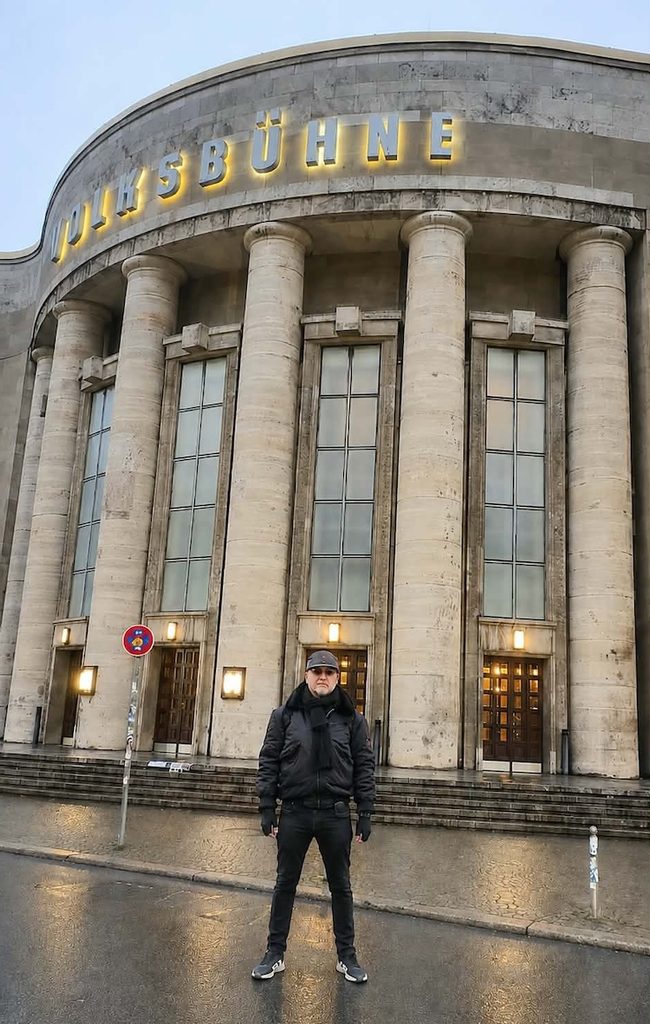
In December 2025, in the heart of the Berlin winter, I arrived at the Volksbühne. I was late, but I arrived. By then, Throbbing Gristle no longer existed; Peter “Sleazy” Christopherson and Genesis P-Orridge had died, and that four-person band that had produced one of the strangest, most unsettling, and most influential sounds of the second half of the 20th century was definitively a thing of the past.
The Volksbühne, the ‘People’s Theatre’—in Rosa Luxemburg Square—however, was still there. And Berlin presented itself to me as a profoundly ghostly city. Perhaps Berlin is inevitably a city inhabited by ghosts. Just walking through Berlin is enough to feel the layers left by the 20th century: Nazism, war, destruction, the division of the city, the Wall, East Berlin, the Cold War, and finally, reunification. Relatively close to the Volksbühne was also the bunker where Adolf Hitler spent his last days. Today, almost nothing is visible of that place, but absence can also behave like a presence.
Berlin is full of places where something happened and is no longer there, of buildings that remain while people disappear, of streets traversed by millions of lives of which only photographs, documents, sounds, and memories remain. Among all these specters also dwells one much smaller within the city’s history, but fundamental for those of us who have followed this music: the ghost of Throbbing Gristle.
Because TG also left its mark there. At the Volksbühne, during the winter of 2005–2006, Chris Carter, Cosey Fanni Tutti, Genesis P-Orridge, and Peter “Sleazy” Christopherson reunited, played, improvised, recorded sounds, and documented one of the last incarnations of that entity they had set in motion three decades earlier.
Twenty years later, I arrived and took a picture of myself in front of the theater. There was no concert, they were no longer there, and that Berlin didn’t exist in the same way, but the place still stood. First, there was the re-recorded tape; then came the records, Coil, Psychic TV, Chris & Cosey, CTI, the books, the films, the occult, the collections, the rarities, and the reissues. And, decades later, Berlin finally appeared.
I arrived late, but I arrived. I was there, in front of a theater filled with ghosts, inside a city also filled with its own.
I want to close by thanking Kali Yuga Distro (KYD) again for gifting me this wonderful box set and everyone who, in one way or another, was part of this journey. Perhaps the ultimate purpose of this curatorial project is simply this: to document a band, an era, friends who opened doors, records that circulated from hand to hand when finding them was still an adventure, and music that ultimately led to other music, to books, films, practices, obsessions, and ways of understanding art.
Let it be known that this existed, that it happened, and that it was all real. As someone might say: “It’s true. It was all real.”
We saw each other. We were there. And among all the traces left in Berlin, theirs remained, and much later, ours.